Turn 27 days’ annual leave into 61 days off with our simple hacks
Here’s how to maximise your annual leave and MORE THAN DOUBLE your holiday time in 2026 - just don’t tell your boss!
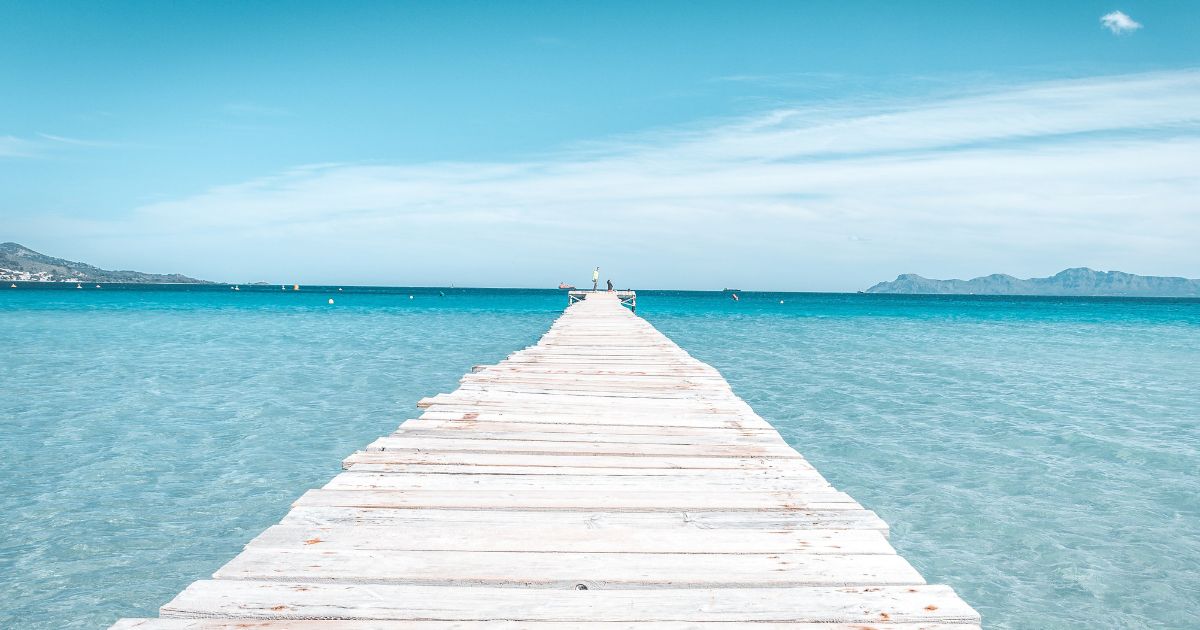
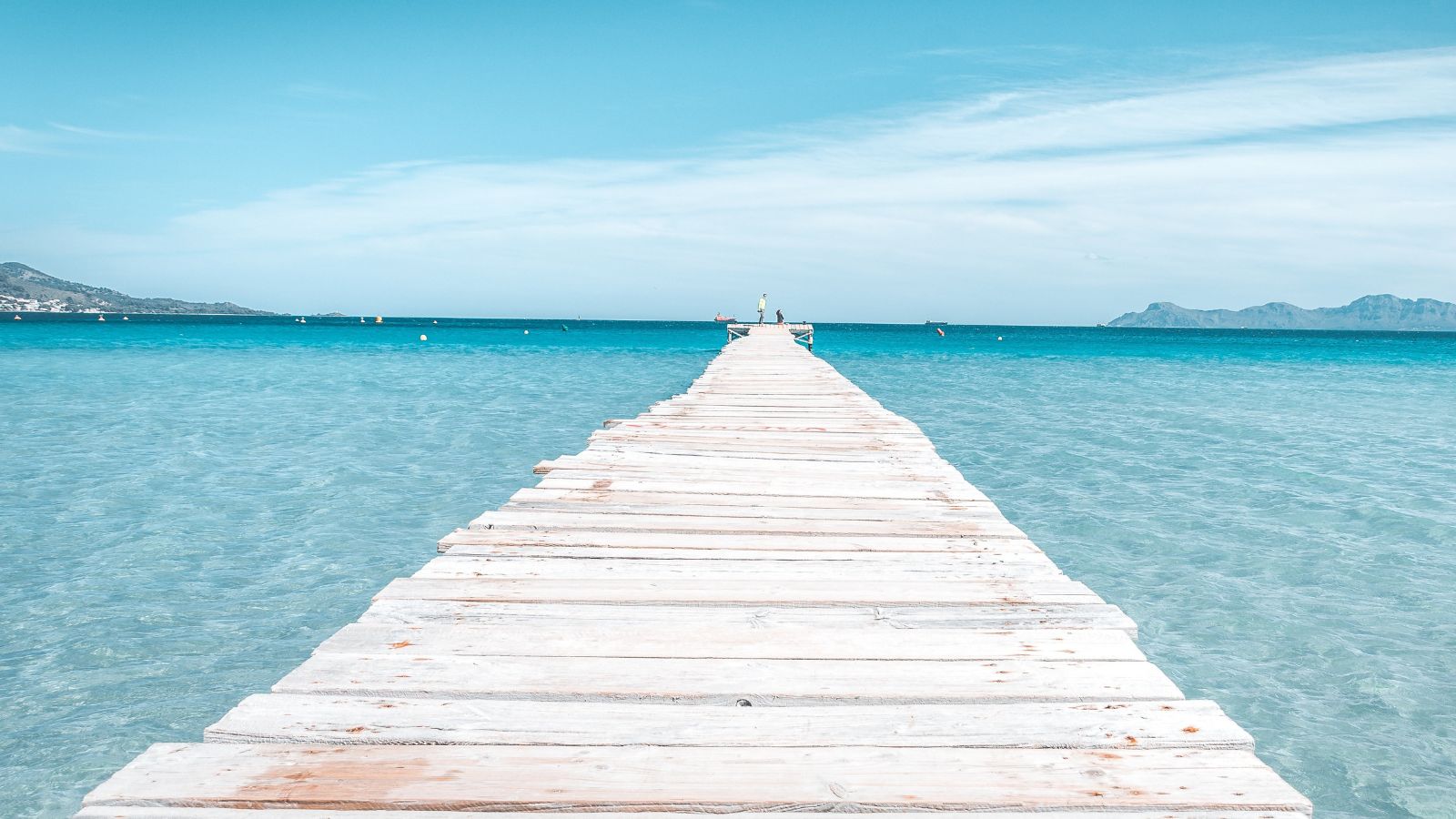
From watching a total solar eclipse in Majorca to exploring Peru’s fortress in the clouds, here’s where to travel in August 2026 - beaches, mountains, rainforest and a few surprises thrown in.
Short on time? Let us summarise this guide for you.
From solar eclipses to salt mine Ferris wheels, August 2026 is packed with reasons to travel. Majorca takes centre stage on 12 August when a total solar eclipse crosses the Balearic Islands – just remember your ISO 12312-2 eclipse glasses. If you're after something cooler, Tromsø offers Arctic hiking and the chance of early northern lights, while Salina Turda in Transylvania lets you explore a remarkable underground attraction away from the summer heat. Elsewhere, Kalamata, Seceda and Olbia make strong cases for a Mediterranean break without the crowds of the more obvious hotspots.
What you'll find in this guide:
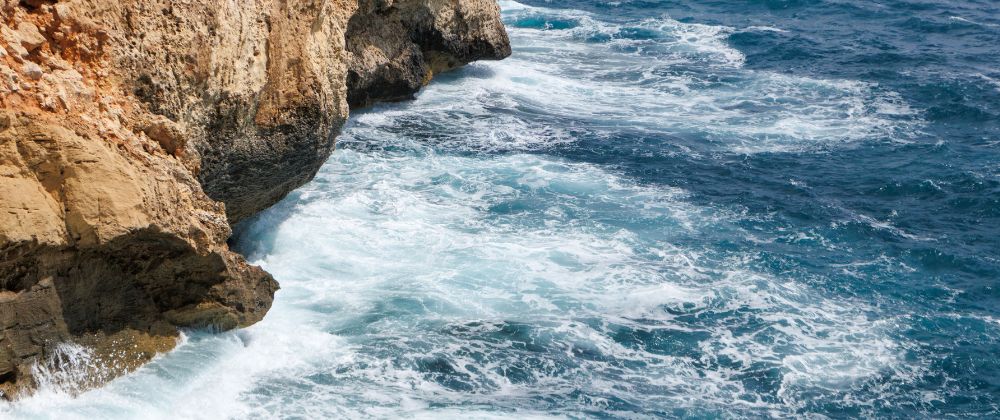
Majorca is one of Europe's favourite summer destinations. But this August, there's another reason to visit.
On 12 August 2026, a total solar eclipse will cross Spain and the Balearic Islands. Shortly after 8.30pm, parts of Majorca will briefly fall into darkness as the moon passes in front of the sun. Depending on where you are, totality could last for around 90 seconds. Because the eclipse happens close to sunset, you'll need a clear view of the western horizon. Hills, buildings and even haze can get in the way, so it's worth checking your viewing spot before the day arrives. You don't need to squeeze onto a packed clifftop to enjoy it either. Local advice is to watch from your accommodation, a nearby open space or one of the official viewing areas. It helps spread visitors out and protects some of the island's most popular beauty spots.
Once the eclipse is over, it's the Majorca everyone knows and loves. Think warm seas, hidden coves, mountain drives and long evenings spent eating outdoors. August is always busy, and the eclipse will make it even more popular, so book early if you're planning to go.
One last thing - pack certified ISO 12312-2 eclipse glasses. Normal sunglasses won't protect your eyes.
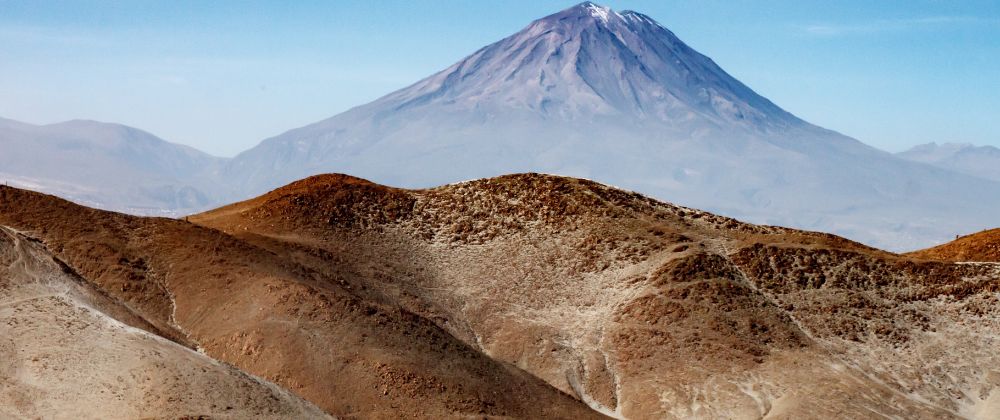
Hidden high in Peru's cloud forest, Kuélap feels like somewhere you've stumbled across rather than planned to visit.
Built by the Chachapoya people around 3,000 metres above sea level, this ancient mountaintop settlement sits behind huge stone walls and is home to hundreds of circular buildings. Getting there is part of the experience, with a cable-car ride from Nuevo Tingo followed by a walk to the site. There's another reason to visit in 2026 too. A new visitor route around the restored southern wall gives you an even closer look at this remarkable fortress while conservation work continues across the complex.
August is one of the best times to go. It's part of the region's drier season, so you're more likely to enjoy good conditions for the cable car, walking trails and the incredible views. You can still expect mist and the odd shower, but they only add to the atmosphere. Kuélap is still being carefully restored, so every visit offers a glimpse into both its ancient history and the work helping to preserve it for the future.

If you're looking to escape the usual South American tourist trail, Suriname deserves a spot on your list.
This small country blends Dutch colonial architecture with dense rainforest, winding rivers and cultures shaped by Indigenous and Maroon communities. In the capital, Paramaribo, colourful wooden buildings sit alongside lively markets and restaurants serving flavours from around the world. Beyond the city, nature takes over. Rainforest covers much of the country, with river journeys, wildlife lodges and remote communities waiting to be explored.
The long dry season usually begins around the middle of August, so later in the month often brings better conditions for getting around. You can still expect heat, humidity and the occasional tropical shower, especially earlier in August. Suriname welcomes far fewer visitors than many of its neighbours, making it one of South America's best-kept secrets. Visit towards the end of August, and you'll have a better chance of catching the country as the rainy season begins to fade.

If Santorini and Mykonos sound a little too busy, Kalamata offers a different side of Greece.
Set on the Peloponnese Peninsula, this relaxed coastal city combines beaches, history and great food without the crowds you'll often find on the islands. You'll find a long seafront, a charming old town and plenty of tavernas serving the olives that made Kalamata famous. August brings hot, sunny weather that's perfect for swimming, lazy afternoons by the sea and dinners that stretch long into the evening.
Kalamata is also a great base for exploring the wider region. Ancient Messene, Voidokilia Beach, Kardamyli and the rugged Mani Peninsula are all easy to reach, while the foothills of Mount Taygetos offer cooler walking routes away from the coast. History lovers can visit Kalamata Castle or stop by the Church of the Holy Apostles, traditionally linked with the start of the Greek Revolution in 1821. Like much of Greece, August is peak season, and temperatures can climb quickly. Head out early for sightseeing, take it easy during the hottest part of the day and save longer walks for the evening.
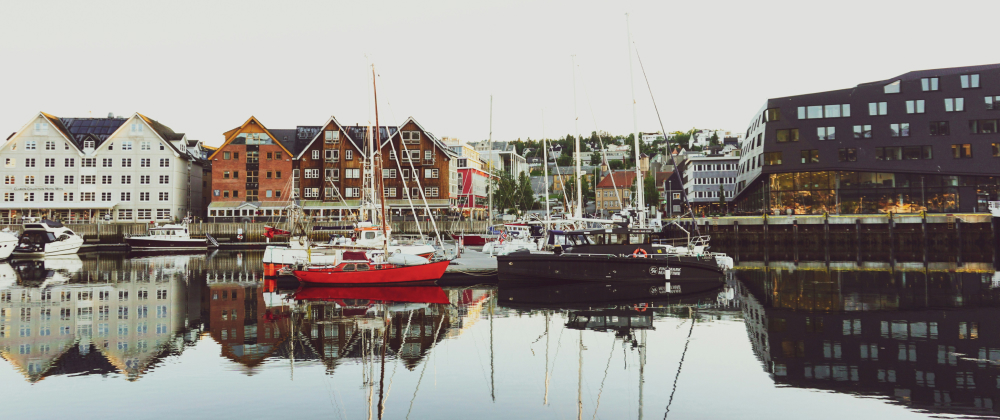
Had enough of scorching summer heatwaves? Head north.
Tromsø swaps crowded beaches for cool Arctic air, dramatic fjords and endless outdoor adventures. Although the midnight sun disappears at the end of July, August still brings long daylight hours for hiking, kayaking, fishing and exploring nearby islands such as Kvaløya and Sommarøy. Ride the cable car or hike up Mount Fløya for incredible views across the city and surrounding mountains.
Visit later in the month, and you might even catch the first northern lights of the season. There's no guarantee, but once darker nights return, the aurora can make an early appearance if the skies stay clear. Back in the city, you'll find cosy cafés, fresh seafood and local breweries that make the perfect stop after a day outdoors.

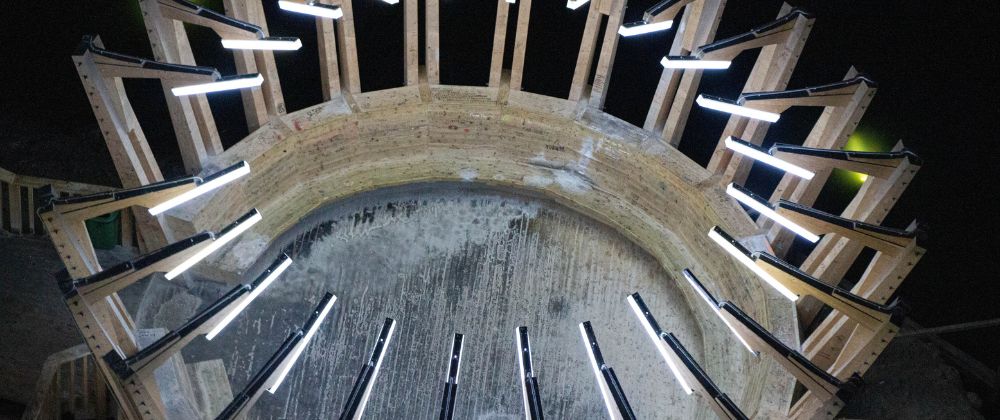
Theme parks are fun. An underground salt mine with rowing boats and a Ferris wheel? Even better.
Salina Turda, in the heart of Transylvania, transforms a former salt mine into one of Europe's most unusual family attractions. Deep below ground, you'll find an amphitheatre, mini golf, bowling, sports courts, rowing boats and a panoramic wheel, all set inside enormous caverns carved out over centuries. The futuristic lighting gives the mine a unique feel, but its industrial history is still front and centre.
Another bonus? The temperature stays cool all year round, making it a welcome escape from the August heat above ground. Summer is one of the busiest times to visit, so expect queues for lifts and some attractions. Fly into nearby Cluj-Napoca and spend a day exploring its lively old town, museums, cafés and growing arts scene before heading underground.
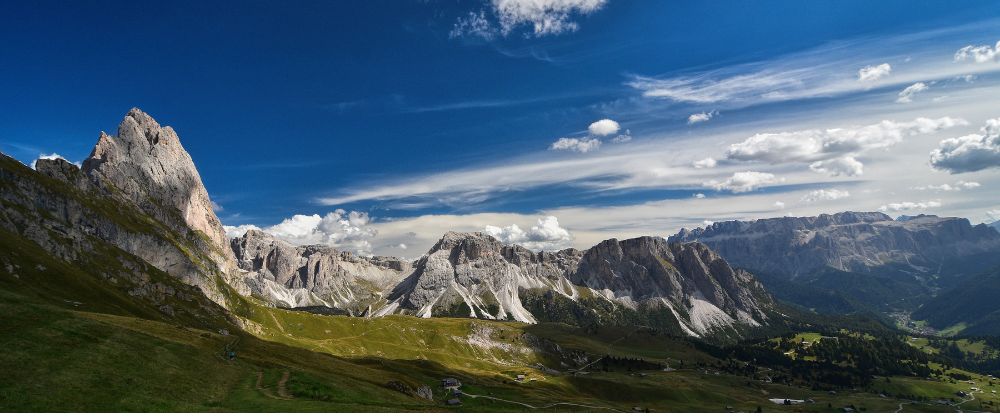
Seceda might be popular, but don't let that put you off. The views are every bit as spectacular as you've heard. Its sweeping green ridges and jagged mountain peaks have made it one of the Dolomites' most photographed locations.
August brings warm hiking weather, open mountain huts and running lifts, making it easy to reach from Ortisei. Once you're at the top, walking trails lead in every direction. The famous viewpoint is only the beginning. Walk a little further, and you'll soon leave many of the crowds behind, replacing selfie spots with peaceful mountain scenery. If you're travelling around Ferragosto on 15 August, buy lift tickets in advance and consider using public transport, as parking fills up quickly. Mountain weather can change fast, so start early and keep an eye on the forecast.

Sardinia is one of Europe's favourite summer islands, but Olbia is more than just a place to land. The city is the perfect starting point for exploring some of the island's clearest water and most beautiful beaches.
Within easy reach, you'll find Pittulongu, Porto Istana, the protected waters around Tavolara and the glamorous Costa Smeralda. Travel a little further north, and you can join boat trips around the La Maddalena archipelago, famous for its granite islands, hidden coves and crystal-clear sea. Olbia itself is well worth exploring too, with a compact historic centre, Roman remains and the Basilica of San Simplicio.
August brings fantastic swimming conditions, but it also means higher prices, busy roads and crowded beaches, especially around Ferragosto. Think of Olbia as your launchpad to one of the Mediterranean's most beautiful coastlines. Once you're there, you'll understand why so many people return year after year.
Olbia is also one of the top risers on our Good Trip Index for 2026 - the Holiday Extras guide to travelling ethically, sustainably and well. Take a look at the other destinations making waves on the Good Trip Index and start planning a good August trip.

The Holiday Extras app gives you instant access to your bookings, updates, and support—anytime, anywhere.

Sign up to our mailing list for more travel advice plus exclusive money-saving offers on your holiday extras!
No need to worry about your data, we take your privacy seriously.

