Malta Guide
Read our original guide to Malta
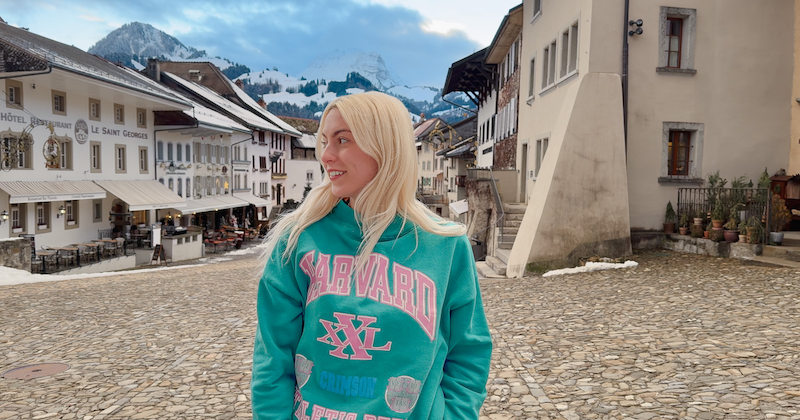
Holiday Extras asked 1,000 UK women about their last overseas trip. Most felt safe, but many still paid a hidden “Safety Tax” in the form of extra vigilance and behaviour changes.
Short on time? Let us summarise this guide for you.
Holiday Extras’ survey of 1,000 UK women found that 81.4% felt safe overall on their last overseas trip — yet 51.6% changed their behaviour specifically because they are women. We call the gap between “feeling safe” and “acting freely” the Safety Tax, averaging 37.8%. Switzerland stood out as the gold standard (83.3% felt very safe), while Romania showed the lowest behaviour change (70% didn’t modify behaviour). Croatia and Morocco had some of the highest adaptations, including avoiding going out alone and staying constantly alert. We also highlight where ‘paper safety’ doesn’t always match street experience.
The Safety Tax isn’t a financial cost. It’s the extra work women do to feel comfortable and confident abroad — the small adjustments that add up. It might be planning routes more carefully, avoiding walking alone at night, staying alert in crowded places, or changing what you wear to blend in.
From our survey, the Safety Tax averages 37.8%: the gap between feeling safe and acting freely.

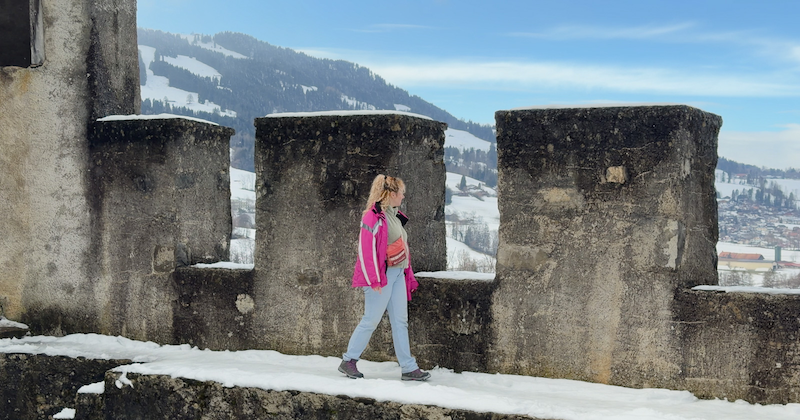
Some destinations stood out for aligning “paper safety” (official measures) with the on-the-ground experience women reported.
Switzerland ranked highest overall. 83.3% of women who visited said they felt very safe — and none reported feeling unsafe. It’s the clearest example of a destination where safety and freedom match.
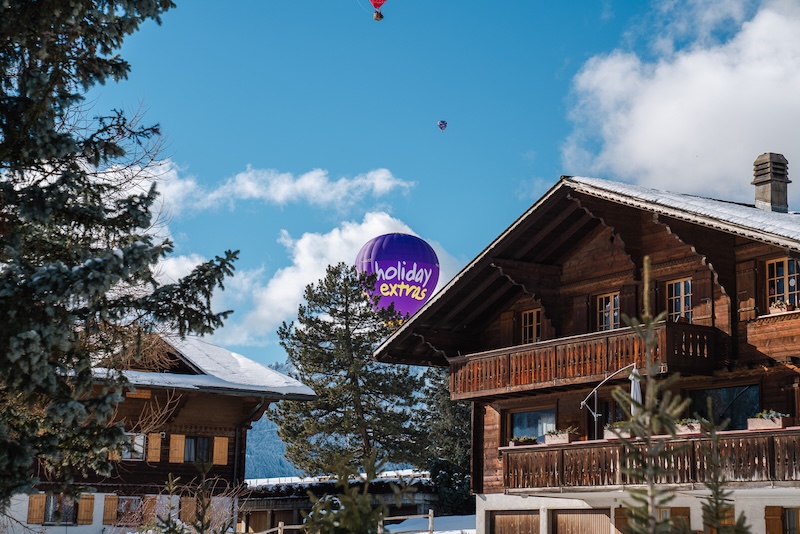
Malta performed brilliantly for lived experience. Women reported extremely high confidence on the ground, suggesting the “street vibe” can sometimes exceed what the statistics imply.

Romania delivered one of the most striking results in the survey: 70% of women said they didn’t change their behaviour at all — the highest of any destination surveyed.
Some destinations show a bigger gap between feeling safe and acting freely — the Safety Tax in action.
Croatia is a clear example of “safe, but not totally relaxed”. While many women reported feeling safe overall, 41.7% said they avoided going out alone — the highest single behavioural adjustment recorded in any destination.
In the UAE, many women felt confident day-to-day — with 57.1% saying they felt very safe. But 19% reported changing what they wore to align with local norms, showing how the Safety Tax can be cultural as well as practical.
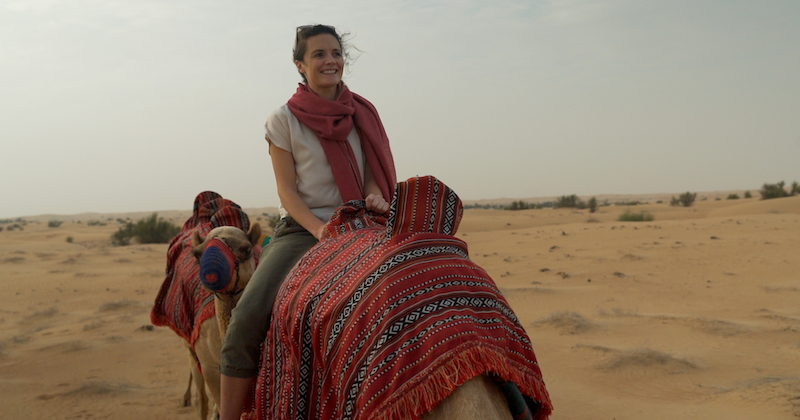
In Morocco, 21.4% said they felt the need to stay constantly alert — a reminder that safety isn’t just about incidents, but how much mental energy a destination demands.
A quick, comparable view of how women felt, whether they changed behaviour, and the most common adjustment reported for each destination.
| Destination | Felt Very Safe | Did Not Change Behaviour | Most Reported Behaviour Change |
|---|---|---|---|
| Switzerland | 83.3% | 50.0% | Limited night activities 16.7% |
| Portugal | 59.0% | 56.4% | Stayed constantly alert 17.9% |
| UAE / Dubai | 57.1% | 42.9% | Changed what they wore 19.0% |
| Malta | 54.5% | 54.5% | Avoided going out alone 9.1% |
| Croatia | 50.0% | 25.0% | Avoided going out alone 41.7% |
| Germany | 46.2% | 46.2% | Avoided going out alone 15.4% |
| Ireland | 44.0% | 32.0% | Stayed constantly alert 20.0% |
| Cyprus | 41.0% | 44.7% | Avoided going out alone 31.6% |
| Greece | 40.7% | 43.2% | Avoided going out alone 19.8% |
| Netherlands | 40.0% | 40.0% | Avoided going out alone 26.7% |
| Romania | 40.0% | 70.0% | Avoided going out alone 30.0% |
| Spain | 40.8% | 54.3% | Avoided going out alone 17.8% |
| USA | 39.1% | 53.1% | Stayed constantly alert 12.5% |
| Egypt | 34.8% | 30.4% | Changed what they wore 17.4% |
| Poland | 33.3% | 41.7% | Very unsafe reported 16.7% |
| Turkey | 32.7% | 43.6% | Stayed constantly alert 16.4% |
| France | 29.8% | 41.4% | Limited night activities 19.0% |
| Italy | 24.4% | 51.1% | Avoided areas or transport 8.9% |
| Morocco | 21.4% | 25.0% | Stayed constantly alert 21.4% |
| Other countries | 47.4% | 56.9% | Avoided going out alone 10.2% |
Holiday Extras surveyed 1,000 UK women who had recently travelled overseas. Respondents were asked how safe they felt overall as a woman in their most recent destination, and whether they changed their behaviour specifically because they are a woman.


The Holiday Extras app gives you instant access to your bookings, updates, and support—anytime, anywhere.

Sign up to our mailing list for more travel advice plus exclusive money-saving offers on your holiday extras!
No need to worry about your data, we take your privacy seriously.

