Travel trends for 2026
Going further, slower and smarter.
From slow travel and plot-led getaways to ethical escapes and big family breaks, here's what 2026 has in store for your holiday plans.
As some popular destinations push back against budget travel, these countries are doing the opposite. Discover where in the world UK holidaymakers are most welcome.
Short on time? Let us summarise this guide for you.
As Amsterdam, Venice and the Balearics make headlines for turning away budget travellers, other destinations are doing the opposite — actively investing in cheaper flights, extended seasons and value-friendly tourism. From Tunisia and Bulgaria to Georgia, Sri Lanka, Vietnam and Albania’s booming Riviera, these 16 places genuinely want more Brits. If you’re looking for sunshine, great food and a warm welcome on a budget, this is where you’re wanted.
Ironically, it was Amsterdam where the dam first burst. Once a go-to short-haul favourite for UK travellers, the city has spent the last decade trying to shake its budget-party reputation. “Stay Away” campaigns and new restrictions make it clear that quickfire weekend trips aren’t the priority anymore.
Amsterdam isn’t alone. From Venice and Barcelona to the Balearics and Dublin, popular European destinations are pushing back against overtourism and boozy all-inclusive breaks. Even Turkey’s days as a budget favourite are fading as rising prices change the value equation.
So where does that leave British travellers looking for sunshine and a good deal? Not everywhere wants them – but some places still do. And those are the destinations worth knowing about.
Bulgaria has long pitched itself as Europe’s bargain beach. The Black Sea resort of Sunny Beach regularly tops lists of Europe’s cheapest holiday spots. The country’s tourism ministry actively leans into this reputation in its campaigns. Food, drink, and accommodation all remain far below Eurozone prices, and 2026 UK package promotions highlight Sunny Beach and Varna as low-cost alternatives to Spain’s costas.
Cork’s five-year strategy aims to boost visitors to 2.8 million, prioritising volume as well as economic impact. It’s a warm, welcoming, culturally rich region that actively wants more tourists – including affordable city breaks and short stays.
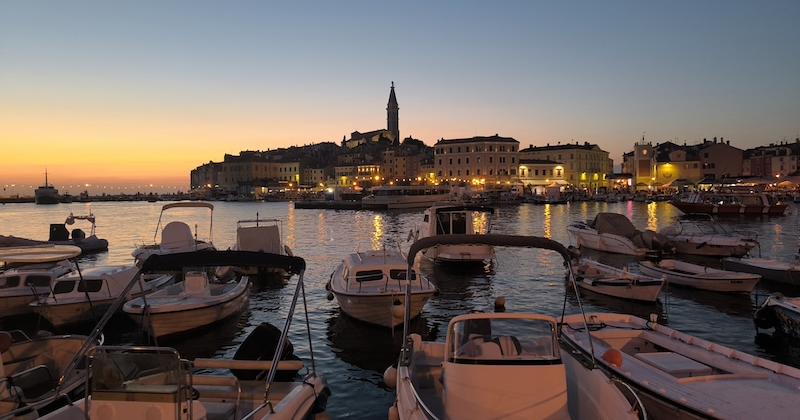
While Dubrovnik imposes cruise caps and rental bans, the Istrian peninsula is actively encouraging more visitors. With its rolling vineyards, olive groves, and Roman ruins, Istria offers the Adriatic atmosphere without the crowds. Towns like Rovinj and Pula are marketed as authentic, welcoming, and relaxed, with tourism boards highlighting the peninsula’s food, wine, and cultural heritage. Far from pushing back, Istria is positioning itself as Croatia’s open-door alternative to the overtourism of the Dalmatian coast.
Going further, slower and smarter.
From slow travel and plot-led getaways to ethical escapes and big family breaks, here's what 2026 has in store for your holiday plans.
Across the border in Italy, Trieste is stepping into Venice’s shadow as a deliberate alternative. Regional campaigns have driven record visitor numbers, and Booking.com has already listed Trieste among the world’s trendiest destinations for 2025. The city’s Austro-Hungarian grandeur, grand cafés, and waterfront piazzas are being promoted as a more sustainable Italian experience, and with Ryanair flights from Stansted starting under £30, Trieste is both accessible and affordable. Where Venice is closing its gates, Trieste is swinging them wide open.
As some European ports push cruises away, the port of Cherbourg in Normandy is eager to welcome more cruise passengers. Local leaders are describing cruise calls as a boon for local shops and a way to revive the port’s glory days. Reports note that Cherbourg is “keen to welcome cruise passengers” and cruise numbers are rising year on year.
Poland’s Baltic coast is emerging as a surprise winner. Resorts around Gdansk, Sopot, and Gdynia – branded the “Polish Riviera” – have introduced new hotels and attractions. Zakopane in the Tatras, meanwhile, has seen a boom in arrivals from the Middle East thanks to direct flights and halal-friendly amenities. Poland’s tourism authorities welcome these flows, positioning the country as affordable, authentic, and widely accessible.

Perhaps most tellingly, Greece is now actively driving tourism beyond its peak summer season. In 2024, flight volumes to Greece in October to December rose nearly 25% over 2019, showing the success of efforts to extend the tourism calendar beyond the sweltering summer months.
At the World Travel Market in London, the Greek National Tourism Organization’s UK/Ireland director confirmed that Greece is developing new tourism, promoting lesser-known destinations, and marketing shoulder seasons to ease crowding and enhance sustainability.
Last year some of the top risers in Greece were Kalamata, on the sometimes-cooler mainland, and Mitilini as a shoulder-season island break.
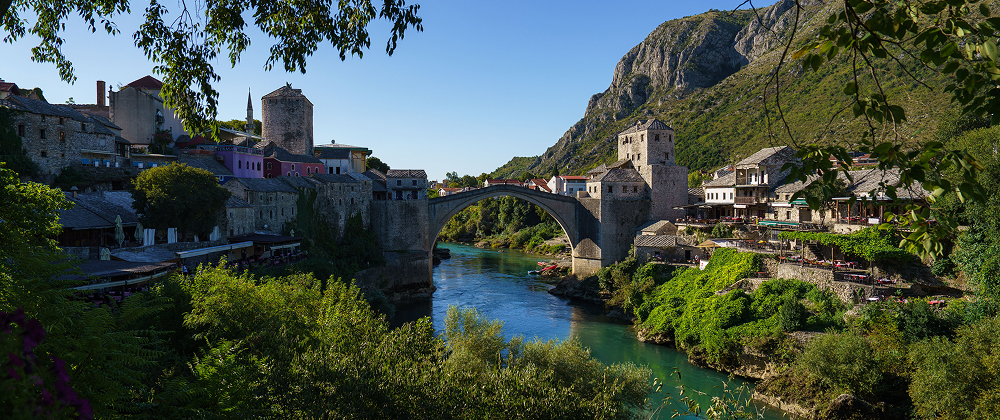
Bosnia is actively investing in tourism infrastructure – transforming ski resorts like Jahorina into year-round attractions and subsidising new airline routes. Sarajevo's authorities have poured millions into new air links, making the city cheaper and easier to reach. This is a deliberate push to increase visitor numbers across the board.
A recent Time Out piece notes that, in contrast to hotspots trying to deter visitors, Greenland is “taking steps to welcome more tourists to its shores”, including opening a new international airport and additional routes, explicitly framed as making it easier for more people to visit this remote country.
Albania is one of Europe’s fastest-rising tourism stories — and unlike some destinations that are quietly rolling up the welcome mat, Albania is actively doing the opposite. The government is investing in tourism, with more funding going into infrastructure, beach upkeep and international promotion, plus a long-term strategy focused on better connections, more overnight stays and spreading visitors beyond just the coast.
For travellers, the takeaway is simple: Albania wants you. The Albanian Riviera, running south from Vlorë, has been nicknamed the “Maldives of Europe” thanks to its turquoise bays, pebble beaches and seafood suppers that cost a fraction of what you’d pay in Italy or Greece. Getting around is easier now too — the new Llogara Tunnel cuts the journey from Vlorë to the southern coast down to minutes, making places like Dhërmi and Himarë much more straightforward for a week in the sun.
And it’s not just about beach days. Tirana is carving out a name for itself as a low-cost city break with personality — colourful buildings, café culture, and a nightlife scene that’s grown up fast. It’s also never been easier to reach, with budget airlines expanding routes and keeping fares competitive.
The result? Albania doesn’t just happen to be good value — it’s building itself to stay that way. While parts of Western Europe push back against budget tourism, Albania is leaning in, making it easier (and cheaper) to visit whether you’re after a beach holiday, a city break, or both.
Tunisia’s Tourism Minister set a goal of 11.5 million visitors in 2026, up half a million on 2025, promoting year-round packages on the coast and in the desert. Crucially, the government is enhancing air connectivity with Europe, subsidising flights and opening routes that make Tunisia a direct competitor to Spain and Turkey for budget beach holidays. It is one of several budget destinations where politicians openly say they want more volume, not less.
Kerkennah islands are scattered off the Tunisian coast, reachable by ferry from Sfax. The Tunisian Tourism Minister called 2026 "the year of Kerkennah", as the country has ambitious plans to expand facilities and connections this year – so get there before everyone else finds out!
Egypt has been explicit about courting budget tourists. The government supports tour operators with subsidies, invests in security and infrastructure, and keeps package holidays competitively priced. Its National Strategy for Sustainable Tourism 2030 is volume-driven – more visitors, not just luxury ones. Resorts in Sharm el-Sheikh and Hurghada remain some of the cheapest winter-sun options for UK travellers, with all-inclusive deals considerably undercutting Spain.

High in the Caucasus, Svaneti is emerging as one of Europe's most beguiling and budget-friendly mountain escapes – an area the Georgian government is purposefully promoting through dedicated strategy and infrastructure investment. Regional authorities have rolled out a multi-year Tourism Development Strategy, which includes improving roads and public services, creating adventure products like hiking, off-piste skiing, and cultural festivals, partnering with tour operators and content creators for global promotion.
The result? Affordable and authentic stays in places like Mestia or Ushguli, where daily rates – including breakfast and dinner – can run as low as around £25. Remote villages, UNESCO-listed towers, alpine trails, and guesthouses that still feel off-grid – this is a region strategically carving out an identity as a thriving, budget-accessible adventure destination.

In Armenia, tourism is enshrined as a state-level priority. The country promotes its cultural heritage, mountainous landscapes and historic sites through regional development and public-private partnerships. Growth targets aim to boost jobs and revenues, meaning Armenia welcomes mass tourism, including budget travellers.
The Kenya Tourism Board has launched a new campaign “to attract more tourists to the country,” with a target of 10 million international visitors in the next five years, positioning Kenya as a top destination for adventure, wildlife, culture and beaches.
Few countries have made such a bold pitch to budget travellers as Sri Lanka. From October 2024, the government introduced free 30-day tourist visas for 35 countries, including the UK, specifically to boost inbound numbers. It’s a rare policy designed to eliminate barriers and costs – making short breaks far easier and more appealing for budget-conscious visitors.
Cambodia’s visa-on-arrival and e-visa systems are tailored to encourage arrivals. Brand new Techno International Airport in Phnom Penh opened in September 25, a national investment aimed squarely at upping tourist numbers. Angkor Wat remains the anchor attraction, but beaches like Sihanoukville and cultural towns like Kampot are being marketed as cost-friendly alternatives in regional itineraries. The tourism ministry regularly advertises Cambodia as one of Southeast Asia’s most affordable destinations.
Indonesia’s e-visa-on-arrival program makes Bali and its sister islands cheap and simple to access. The government is actively promoting tourism that extends beyond Bali to Lombok and Java. Low entry fees, plus a wide range of budget accommodation, mean the authorities rely on high-volume tourism across all price points.
Nepal’s strategy is straightforward: it wants more tourists. The government has streamlined visa procedures, marketed trekking globally, and backed carriers that offer cheap connections via hubs like Delhi and Dubai. The Kathmandu tourism board often emphasises how affordable lodging and food make it an ideal budget-friendly adventure destination.
Vietnam has embraced an e-visa system for over 80 nationalities, slashing entry barriers. From Hanoi to Ho Chi Minh City, tourism boards emphasise affordability. With homegrown carriers like VietJet expanding routes aggressively, Vietnam’s official tourism policy clearly supports being a high-volume, budget-friendly destination.
If the Balearics and Amsterdam don’t want you, where do you go? The answer is that while parts of Western Europe are closing the gates, North Africa, Southeast Asia, and Eastern Europe are holding them wide open.
From Egypt’s subsidised packages to Sri Lanka’s free visas, from Bulgaria’s bargain Black Sea resorts to Greece’s shoulder-season push, there are plenty of places not only tolerating but actively encouraging budget UK holidaymakers.
The next great cheap break may be less Benidorm, more Batumi. Less Ibiza, more Istria.


The Holiday Extras app gives you instant access to your bookings, updates, and support—anytime, anywhere.

Sign up to our mailing list for more travel advice plus exclusive money saving offers on your holiday extras!
No need to worry about your data, we take your privacy seriously.

