Top travel trends for 2026: Going further, slower and smarter
From slow travel and plot-led getaways to ethical escapes and big family breaks, here's what 2026 has in store for your holiday plans.
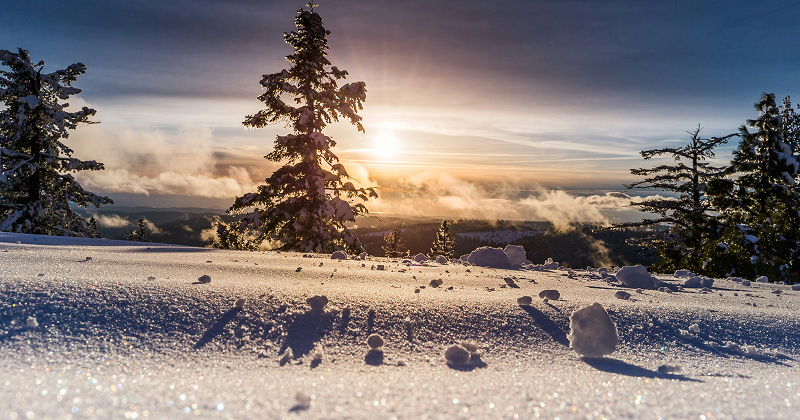
From ancient stone circles and sun gods to dumplings, citrus baths and setting bad vibes on fire, here’s how different cultures mark the point when the light finally starts creeping back.
Short on time? Let us summarise this guide for you.
This article explores how cultures around the world mark the winter solstice, the shortest day and longest night of the year. From ancient sunrise rituals at Stonehenge and China’s dumpling-filled Dongzhi Festival to Japan’s yuzu baths, Guatemala’s fiery La Quema del Diablo and Peru’s sun-god ceremonies, it looks at the rituals humans have created to ward off darkness, cleanse bad luck and welcome the return of longer days.
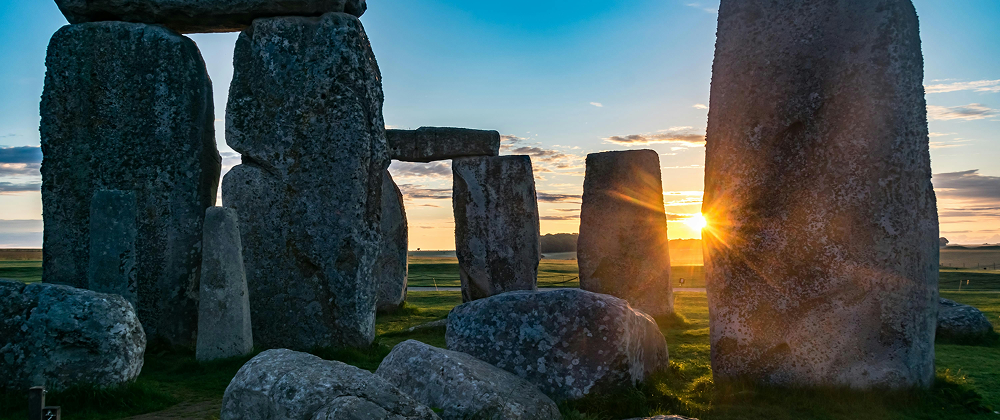
Because what good is the shortest day of the year without a druidic ritual? Absolutely no good, that’s what.
The OG, the classic – this solstice celebration dates back 4,000 years when ancient Britons would gather on the shortest day of the year to watch the sun rise over the Heel Stone. The sun aligns with the stone only twice a year, the other moment falling at the summer solstice.
The tradition is still going strong today and it’s one of the rare times that English Heritage actually allows visitors close to the stones – but you’ll need to get there early if you want to catch a good ritual. We’re talking 4am in your big coat with a flask. Unless you’re joining the druids for a bit of chanting, in which case white robes are expected.
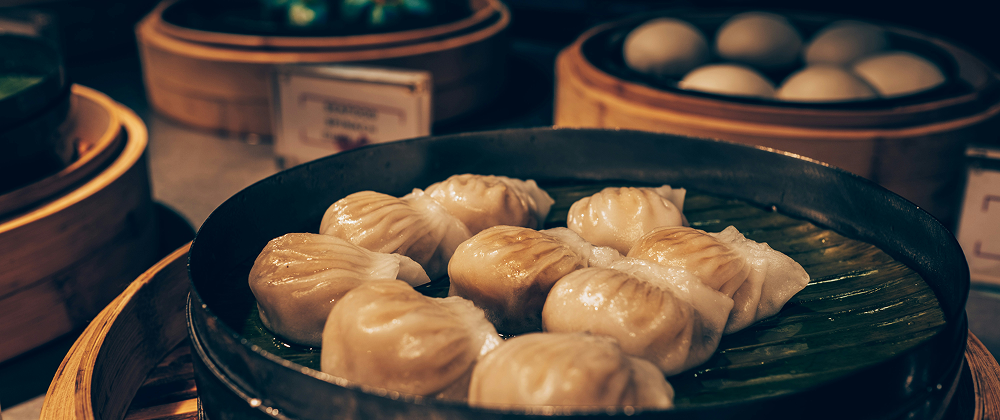
If the winter solstice had a menu then it would need to be something warm and carb-based. Enter the Chinese festival of Dongzhi, which marks the return of longer days with family gatherings and very serious dumpling consumption.
A tradition of more than 2,000 years, Dongzhi is all about the balance between light and dark, or yin and yang, and the longstanding belief that skipping the food could result in your ears falling off. No-one’s keen to test that theory, so tangyuan (sweet rice balls) and dumplings are non-negotiable.
Celebrated across China and a lot of East Asia, Dongzhi is less about the spectacle and more about the quiet comfort of knowing the days are finally getting longer.
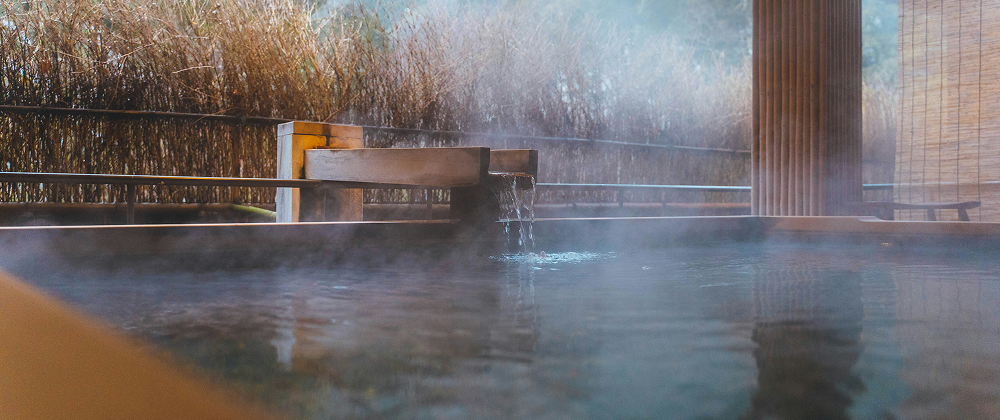
Possibly our favourite way to mark the solstice – a nice hot bath.
Yuzu, knobbly citrus fruits somewhere between a lemon and a mandarin, are floated in baths across Japan – both at home and in public onsens – to release the fragrant oils into the steam.
The sharp, citrussy aroma is believed to ward off illness and bad luck at the darkest and coldest point of the winter. And the bathing ritual itself is all about cleansing away what you don’t want to carry with you into the new year.
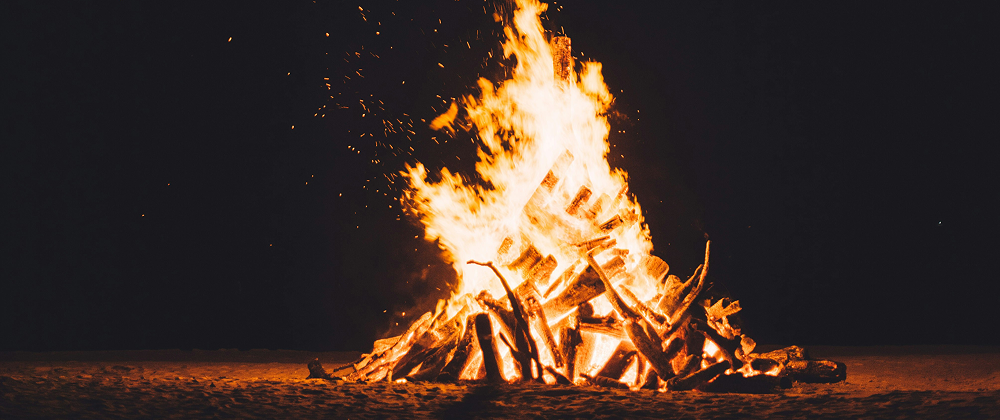
Sick of the cold, dark part of winter? Do what Guatemala does and just set it on fire.
La Quema del Diablo, or the Burning of the Devil, is all about burning effigies of the devil (or anything giving off bad energy) in the streets. The tradition started in the 17th century as a way of clearing out homes before Christmas, using fire to burn away any misfortune before the days start to get longer.
Today it’s just as loud and bright as it’s always been, with bonfires and fireworks igniting in streets across the country, the locals’ answer to the longest night is to fill it with light and warmth – literally.
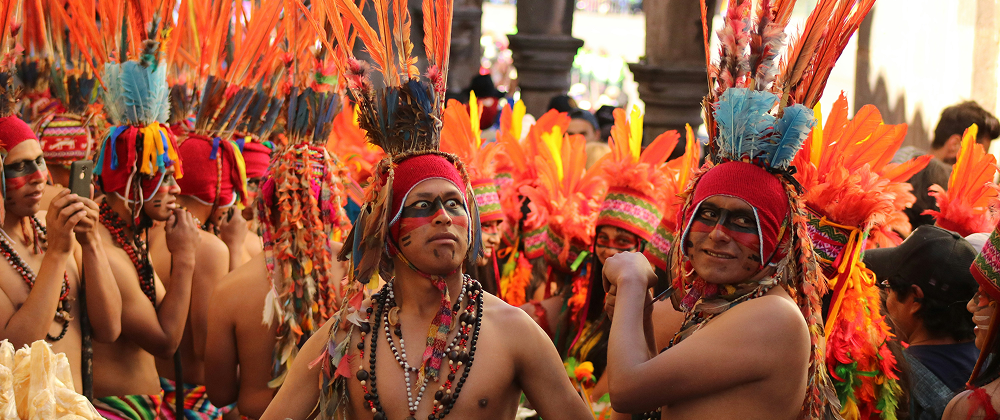
Inti Raymi honours Inti, the Incan sun god, at the moment when the sun is at its weakest in the Southern Hemisphere – a problem the Incas took very seriously.
Today, it’s marked with large-scale, highly choreographed ceremonies across Cusco and the Sacred Valley – dramatic costumes, formal processions and ritual performances that make it very clear the sun is still running the show.



The Holiday Extras app gives you instant access to your bookings, updates, and support—anytime, anywhere.

Sign up to our mailing list for more travel advice plus exclusive money-saving offers on your holiday extras!
No need to worry about your data, we take your privacy seriously.

