Top travel trends for 2026: Going further, slower and smarter
From slow travel and plot-led getaways to ethical escapes and big family breaks, here's what 2026 has in store for your holiday plans.
As the clock hits midnight, some people toast, some make resolutions — and others grab an empty suitcase and run.
Short on time? Let us summarise this guide for you.
From racing the clock with a mouthful of grapes to sprinting the streets with an empty suitcase, New Year’s traditions around the world reveal a shared instinct: if the future is uncertain, it helps to get involved. Whether it’s smashing plates, spilling cream or trusting the ocean with your wishes, these rituals turn hope into action – proof that, when it comes to starting fresh, humans would rather do something slightly unhinged than nothing at all.
Around the world, New Year’s Eve is marked by rituals that turn hope into action, whether that means smashing plates, spilling cream or trusting the sea with your wishes.
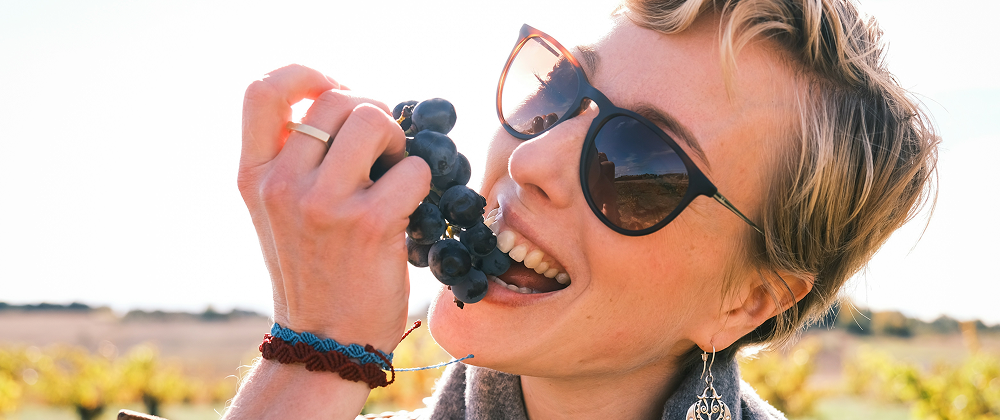
Spain’s New Year ritual is a test of timing, luck and chew speed? At the stroke of midnight, people eat 12 grapes – one for each chime of the clock – to secure good fortune for the year ahead. Miss a grape, choke slightly, or lose count, and you’re in for a rough year.
The tradition dates back to the early 1900s and is thought to have been a way for grape growers to get rid of surplus harvest. What began as clever marketing stuck, becoming a nationwide ritual played out in homes, bars and public squares. Today, supermarkets sell special packs of ‘New Year grapes’, peeled and deseeded for speed.
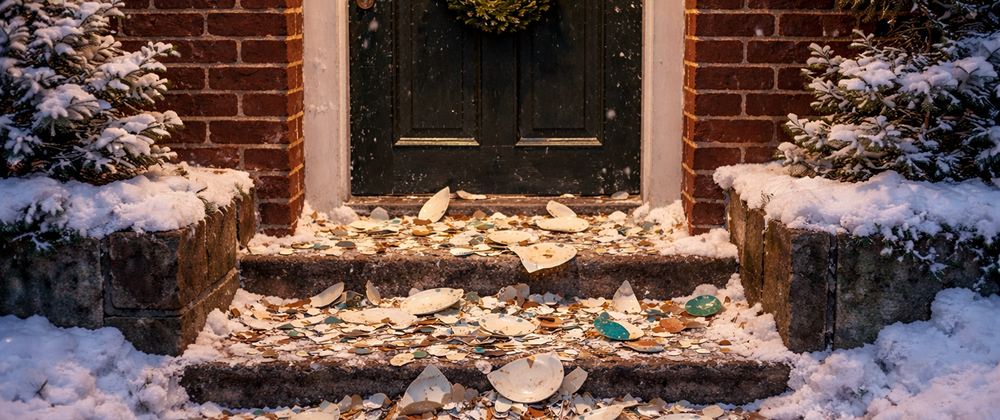
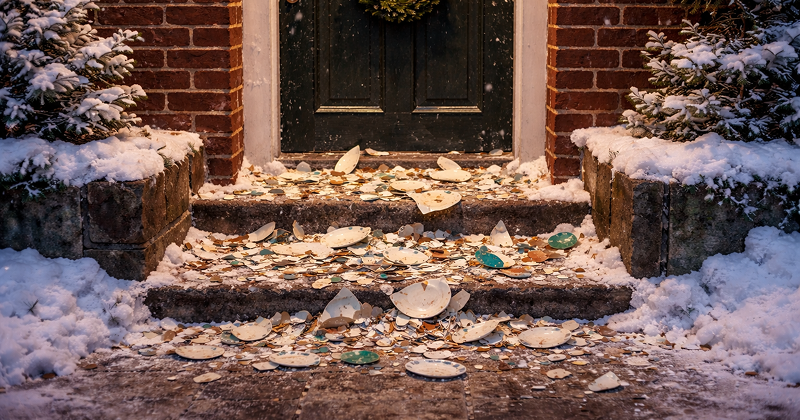
In Denmark, New Year’s goodwill is expressed through deliberate property damage. Friends and family save old plates throughout the year, then smash them against each other’s front doors on New Year’s Eve to ward off bad luck and show affection.
The logic is simple – the bigger the pile of broken crockery outside your door, the more people care about you. By morning, the streets are scattered with ceramic evidence of social standing, and everyone quietly sweeps it up and carries on.
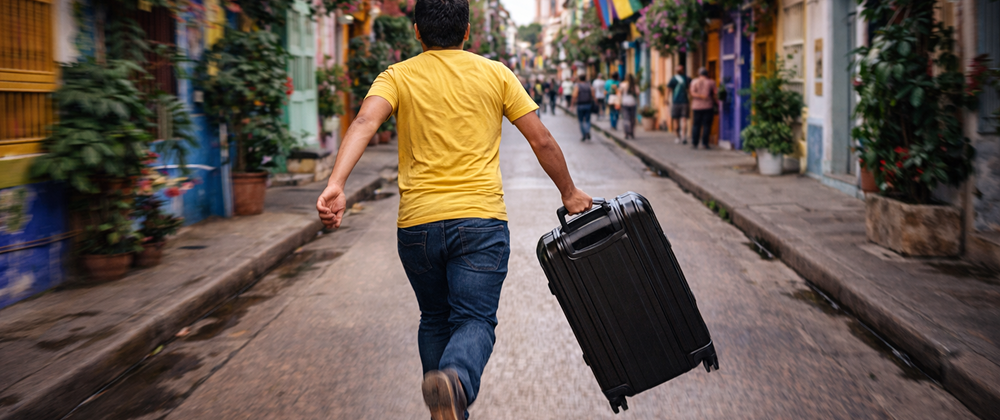
At midnight on New Year’s Eve, Colombians with travel on the brain grab an empty suitcase and run. Around the block, down the street, sometimes through the house – the important thing is movement, luggage in hand.
The ritual is rooted in the belief that physically acting out your hopes gives them momentum. An empty suitcase symbolises space for new experiences, and the run itself is a commitment. You’re not just wishing for travel, you’re manifesting it.

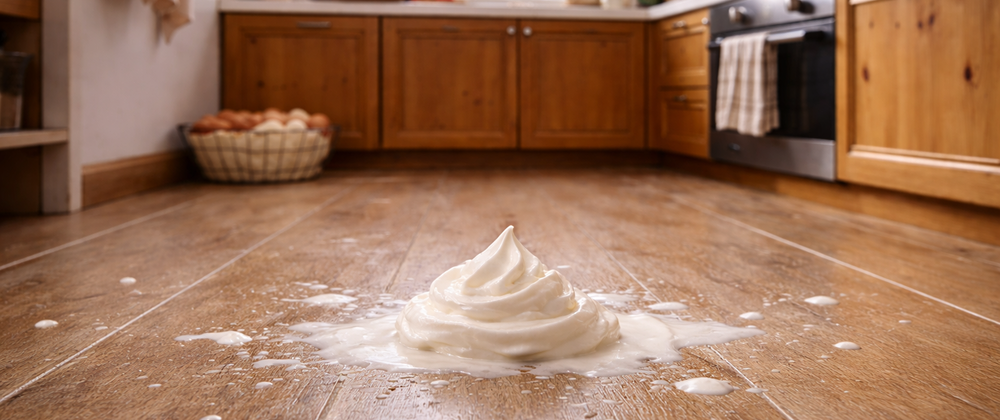
In parts of Switzerland, New Year’s Eve includes a quiet but intentional act of naughtiness – dropping a dollop of cream on the floor at midnight. The cream, traditionally a symbol of wealth, is sacrificed to welcome abundance in the coming year.
If you can afford to spill something valuable, you can expect more where that came from. It’s a superstition rooted in agricultural life, when dairy represented security and prosperity. Today, it’s a small, almost absurd gesture, performed with the same seriousness as any toast or resolution, and quickly cleaned up once the luck has been banked.

Brazil’s New Year celebrations are inseparable from the sea. Dressed in white, people gather on beaches across the country and jump seven waves at midnight, making a wish with each leap. Flowers are often thrown into the water as offerings, and champagne corks pop against the sound of the surf.
The tradition comes from Afro-Brazilian religions such as Candomblé, honouring Yemanjá, the goddess of the sea. She represents protection, fertility and renewal. The number seven carries spiritual significance, and the act of facing the ocean is both celebratory and reverent. It’s joyful and chaotic, but also deeply symbolic – trusting the waves with your hopes for the year ahead.



The Holiday Extras app gives you instant access to your bookings, updates, and support—anytime, anywhere.

Sign up to our mailing list for more travel advice plus exclusive money-saving offers on your holiday extras!
No need to worry about your data, we take your privacy seriously.

