Sweden Travel Guide
Sweden's beautiful landscapes, historic cities and rugged wilderness will make you never want to leave.
From ancient stone circles to lakeside saunas, here's where to soak up the longest day of the year in style : with some strange solstice traditions thrown in.
Short on time? Let us summarise this guide for you.
The summer solstice is celebrated in wonderfully different ways across the world. In the UK, Stonehenge lets you walk among the stones as the sun rises. Sweden's Midsommar means lakeside summer houses, schnapps and maypole dancing. Finland lights huge bonfires and parties through the midnight sun. And in Iceland, an annual festival brings legends of talking cows and seals that walk upright. Wherever you go, the longest day of the year is worth celebrating somewhere special.
The summer solstice falls around 21 June each year : the longest day, the shortest night, and one of the most celebrated moments in the calendar across cultures old and new. Whether you want ancient ritual, Nordic tradition or an excuse for an all-night party, here are four destinations that do the solstice properly.

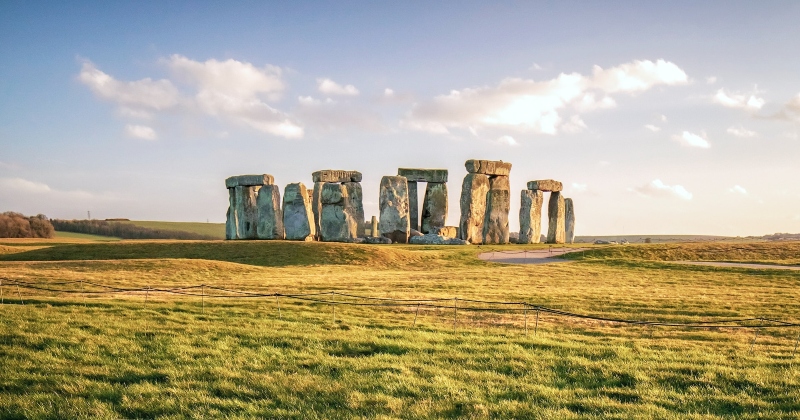
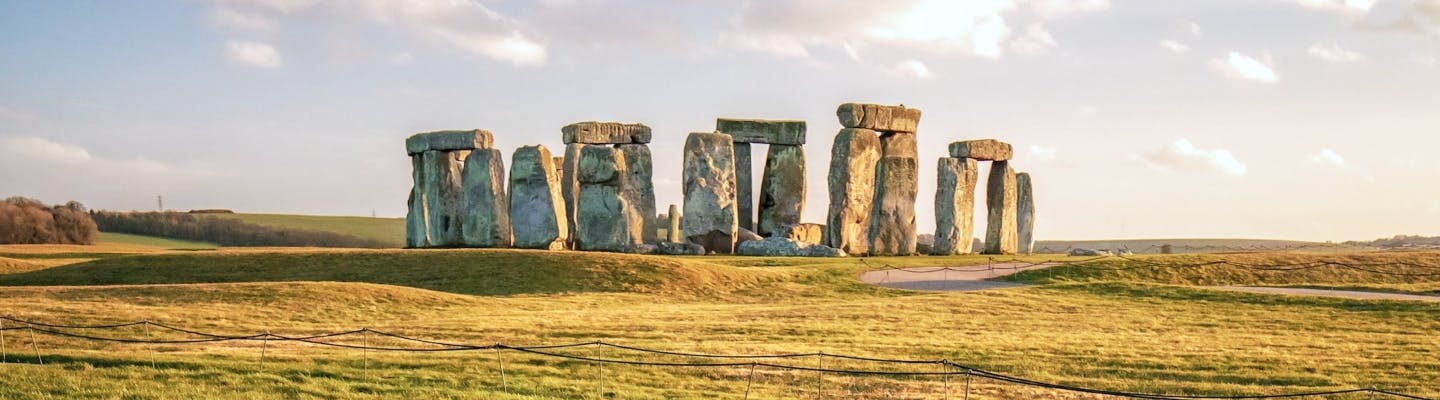
Stonehenge has a unique prehistoric connection to the solstice, believed to have been celebrated here as early as 3100 BC : making it one of the most ancient party spots on the planet.
The atmosphere as the sun rises behind the heel stone and its rays illuminate the circle is said to be electric. Expect all kinds of unique and wonderful rituals and ceremonies, with some attending in full druid get-up.
English Heritage allows open access to the stones on the summer solstice, so you'll be able to walk among these ancient relics far more closely than at most other times of year. There are a few rules to bear in mind : you won't be allowed to set up camp, for example : but you can be sure to soak up good vibes as the crowd joins together like their ancestors did thousands of years ago.
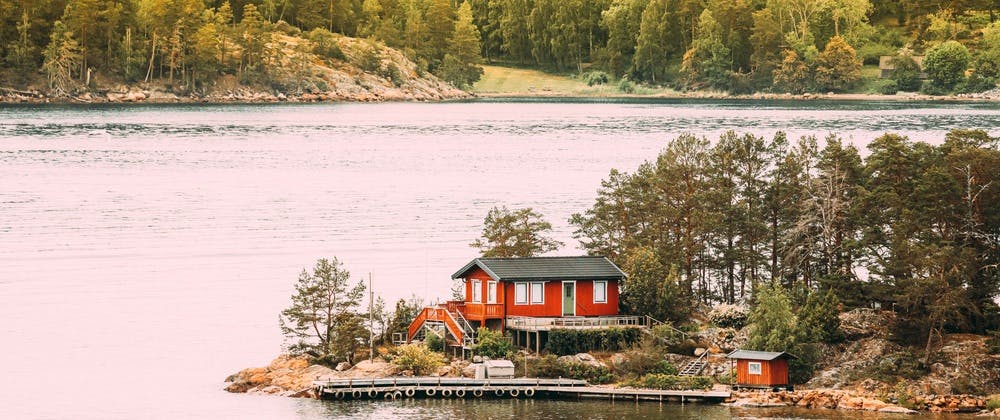
Midsommar is Sweden's second biggest festival after Christmas : a time when friends and family come together to dine al fresco and enjoy a glass or two of schnapps. Beautiful flowers and garlands decorate homes and gardens all over the country from Midsummer's Eve onwards.
Most Swedes head to the countryside and stay in a sommarstuga : a summer house by the lake. Around half of all Swedes either own one or have easy access to one through family, so if you're lucky enough to be invited along by Swedish friends, that's the perfect way to do it. If not, plenty are available to book online.
Alternatively, head to one of the many parks and public spaces holding traditional midsummer celebrations where you can watch a maypole dance. Big cities like Stockholm and Gothenburg are a safe bet for catching the festivities too.
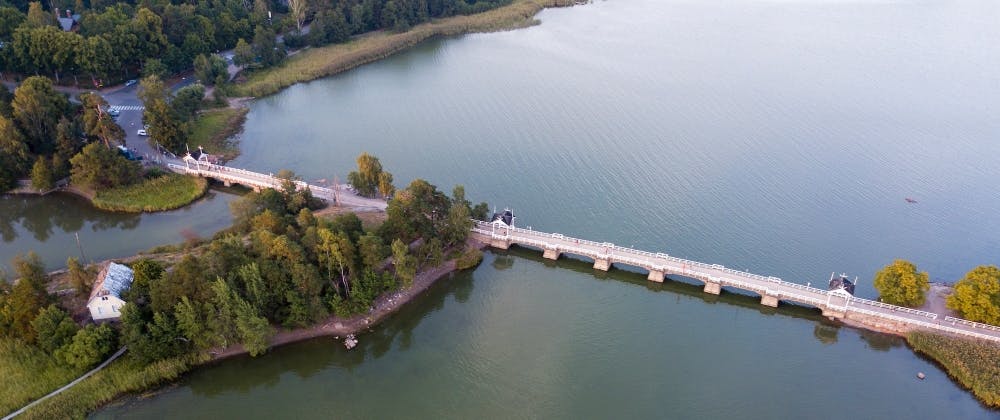
Midsummer is a national holiday in Finland, and joyous celebrations take place across the country to mark the arrival of warmer weather. June is also the height of the Midnight Sun, when days and nights blur into one : and the Finns take full advantage of the never-ending daylight with all-night parties.
As well as being a popular time for boating, barbecues and saunas, huge bonfires known as kokkos are lit to celebrate the most uplifting time of year. One of the best places to enjoy them is Seurasaari : a beautiful green island just a few kilometres from Helsinki that plays host to traditional Finnish midsummer activities every year, including folk dancing, games, spells and even weddings.
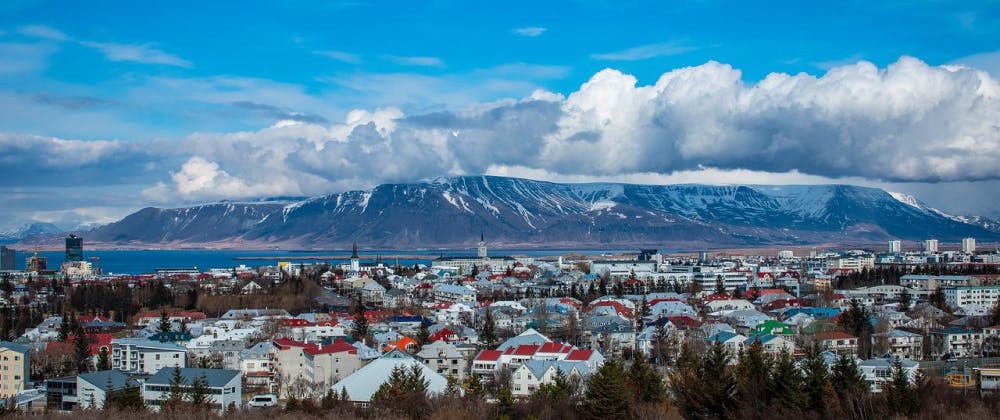
At this time of year Iceland's gorgeous landscape is lit up by the haunting rays of the midnight sun. The sun barely dips below the horizon, giving everything a lovely ethereal glow.
On 24 June every year it's Jonsmessa : the annual celebration of John the Baptist. On this night it's said that the human and magical worlds collide, giving cows the power of speech, seals the ability to walk on their hind legs, and causing rocks to float on water. We can't confirm any of this, so you'll have to see for yourself.

The Holiday Extras app gives you instant access to your bookings, updates, and support—anytime, anywhere.

Sign up to our mailing list for more travel advice plus exclusive money-saving offers on your holiday extras!
No need to worry about your data, we take your privacy seriously.

