Who are Travel Forward?
This registered UK charity aims to maximise the positive impact that tourism has on the destination, while reducing the negative.

Sustainability matters – but it's only part of the picture. The Good Trip Index shows you where going green also means going somewhere genuinely good.
Short on time? Let us summarise this guide for you.
The Good Trip Index 2026 ranks the world's best destinations for sustainable travellers by combining environmental performance with seven other measures including democracy, press freedom and human rights. Germany, Norway and France lead the way. Some popular holiday spots – Costa Rica, the Maldives, Thailand – rank lower than their eco-branding might suggest. The countries that invest in sustainability also tend to get everything else right.
More and more travellers want to know that the places they visit are protecting their environment, investing in their communities and building something that'll still be there for the next generation. Sustainability is no longer a nice-to-have – it's part of how people choose where to go.
But sustainability alone doesn't make a good trip. A country can have a strong environmental record and still have a fragile democracy, limited press freedom or poor human rights. That's why the Good Trip Index combines sustainability with seven other measures – so instead of just asking 'where is it green?', we can ask: where is it green and a genuinely good trip?
The answer is encouraging. The countries that invest in sustainability also tend to be the countries that get everything else right.
These are the top 20 countries in the full Good Trip Index that also rank in the global top 30 for sustainability.
Every country here has strong sustainability credentials. But they also score well for democracy, human freedom, press freedom, quality of life, women's rights, LGBT+ safety and animal welfare. Sustainability doesn't exist in a vacuum – and the best sustainable destinations prove it.
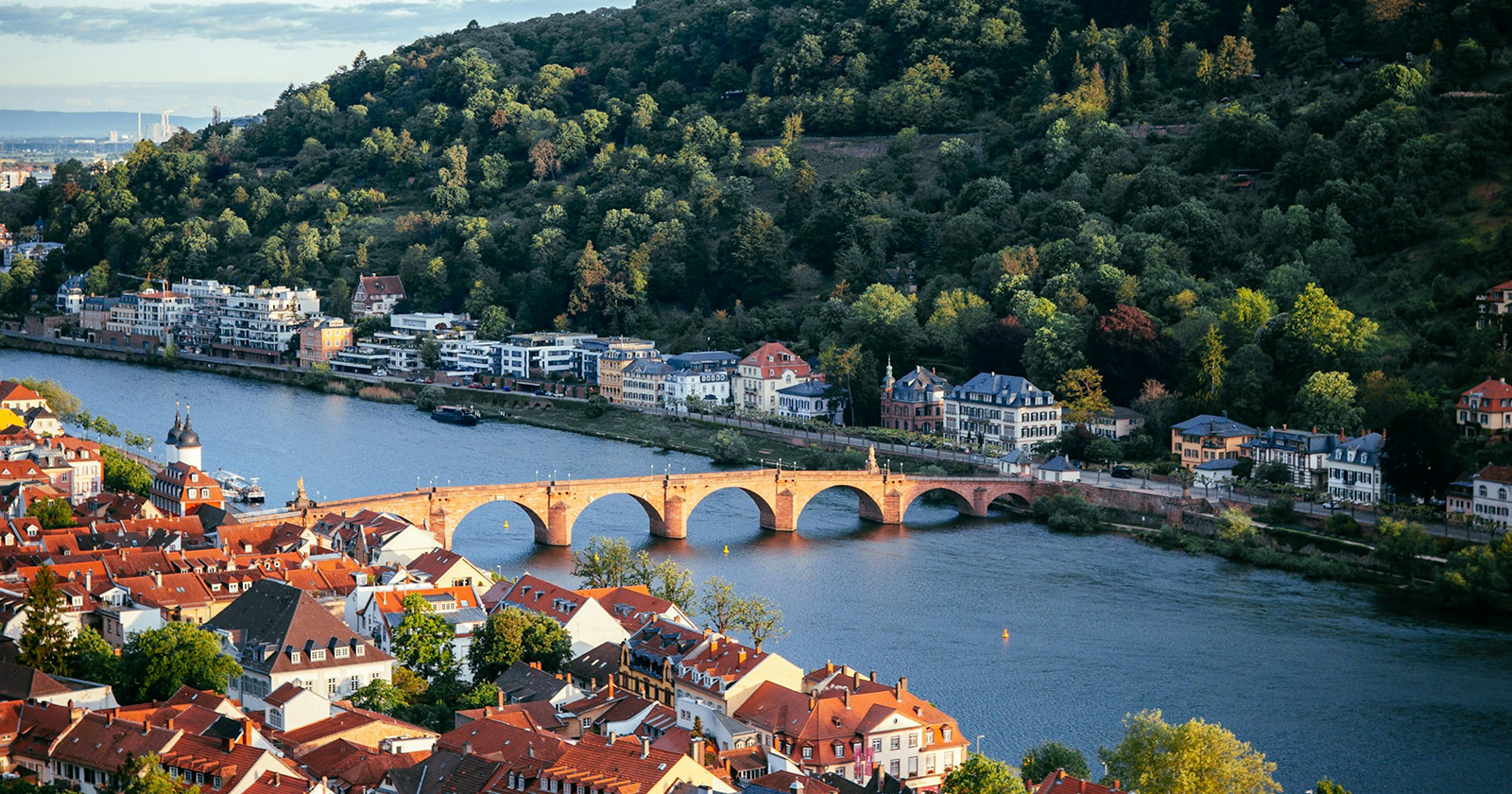 Germany ranks 9th
Germany ranks 9th overall in the Good Trip Index and an impressive 4th for sustainability. Its Energiewende – the national shift to renewable energy – is one of the most ambitious environmental programmes in the world.
For travellers, that ambition is tangible. Germany's rail network makes low-carbon travel genuinely practical. Its recycling infrastructure is among the most developed anywhere. And its national parks offer some of Europe's best hiking without the crowds you'd find in more obvious destinations.
Berlin, Munich, Hamburg – every major city has embraced sustainable urban transport. Getting around without a car isn't just possible here. It's easy.
 Norway ranks 2nd
Norway ranks 2nd overall and 7th for sustainability. The world's largest sovereign wealth fund has increasingly divested from fossil fuels. Electric vehicle adoption is the highest on earth. And the fjords, mountains and northern lights draw travellers who genuinely care about the landscapes they're visiting.
Norway is expensive – there's no getting around it. But the premium buys you a country that takes real responsibility for its environment. That's worth something.
 France ranks 20th
France ranks 20th overall and 8th for sustainability. More than 70% of its electricity comes from nuclear power, giving it one of the lowest carbon intensities of any major economy. The TGV network makes cross-country travel fast and low-carbon. And a culture built around local food naturally keeps food miles down.
Paris has transformed its relationship with cars over the last five years – bike lanes, pedestrianised streets and the most ambitious urban greening programme in Europe. It's a city that's actively changing, and the results are already visible.
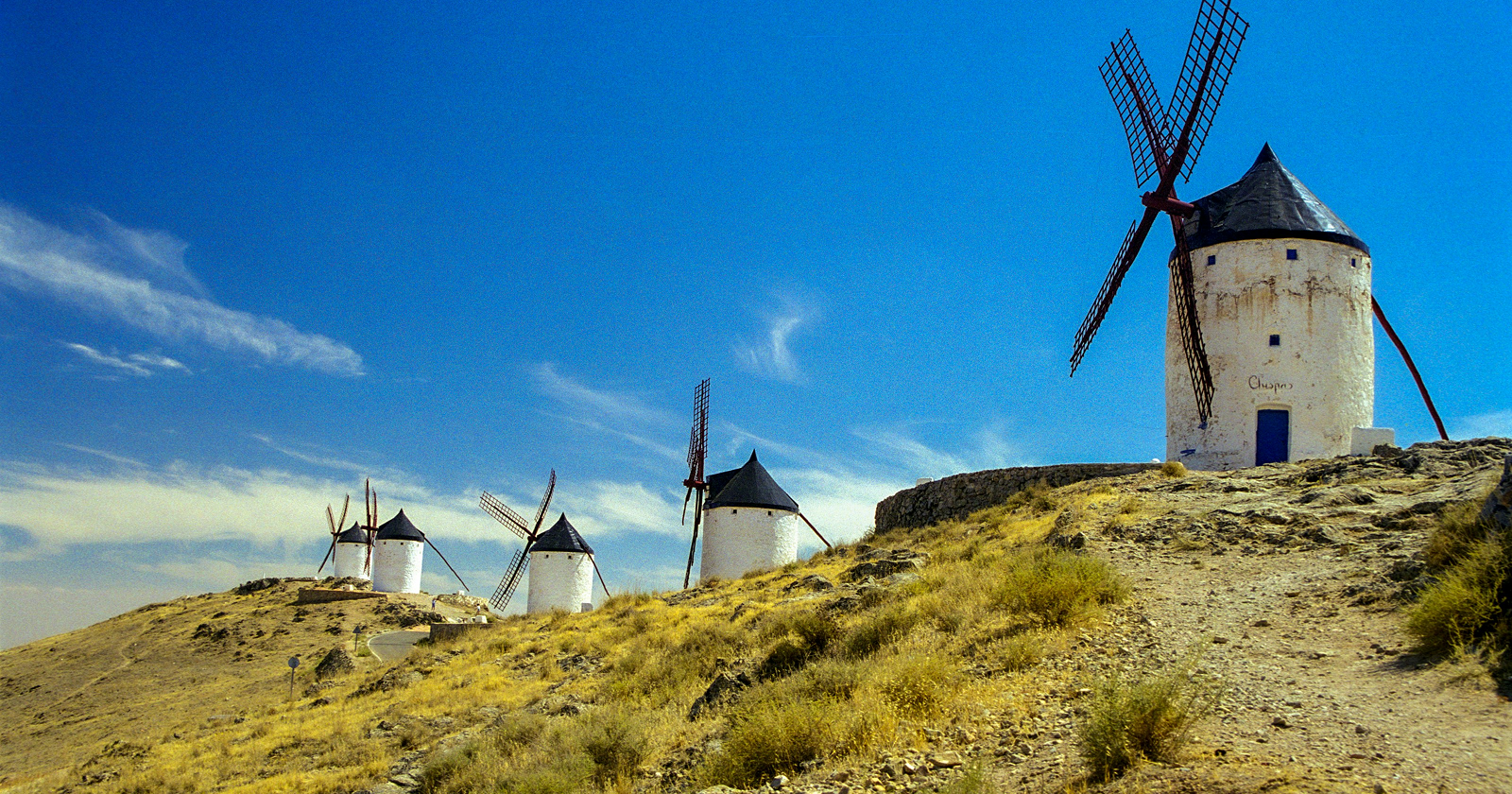 Spain ranks 18th
Spain ranks 18th overall and 12th for sustainability. Solar energy investment has accelerated rapidly. Its high-speed rail network is one of the largest in Europe. And cities like Seville, Barcelona and Valencia have all made serious commitments to sustainable urban planning.
For British travellers, Spain offers something hard to beat: a short-haul flight, strong sustainability credentials and the beaches, food and culture that have always made it one of the UK's favourite destinations.
Not every popular holiday destination tells the same story. This chart plots the most-booked British destinations by sustainability ranking alongside their overall Good Trip Index rank. The gap between the two is where it gets interesting. For some countries, the two dots sit close together – Spain, Croatia, Cyprus, Malta. Their sustainability score and their overall rank are roughly in line. What you see is what you get. For others, the gap is the story.
 The United Kingdom ranks 19th
The UK ranks 19th overall but 6th for sustainability – a gap of 13 places in the right direction. That score reflects strong renewable energy investment, ambitious net-zero legislation, and one of the most developed green finance sectors in the world. It's a reminder that sustainability isn't just about scenery – it's about policy. The UK's other metrics (press freedom at 20th, democracy at 18th) are solid but unremarkable. On sustainability, it punches well above its weight.
 Egypt ranks 178th
Egypt ranks 178th overall – near the bottom of the Good Trip Index – but 81st for sustainability. That's a gap of 97 places. The sustainability score reflects genuine progress on solar energy investment and the Benban Solar Park, one of the largest in the world. But the overall rank tells a different story: democracy, press freedom and human rights scores are among the lowest in the index. A country where one metric is racing ahead while the rest stay behind.
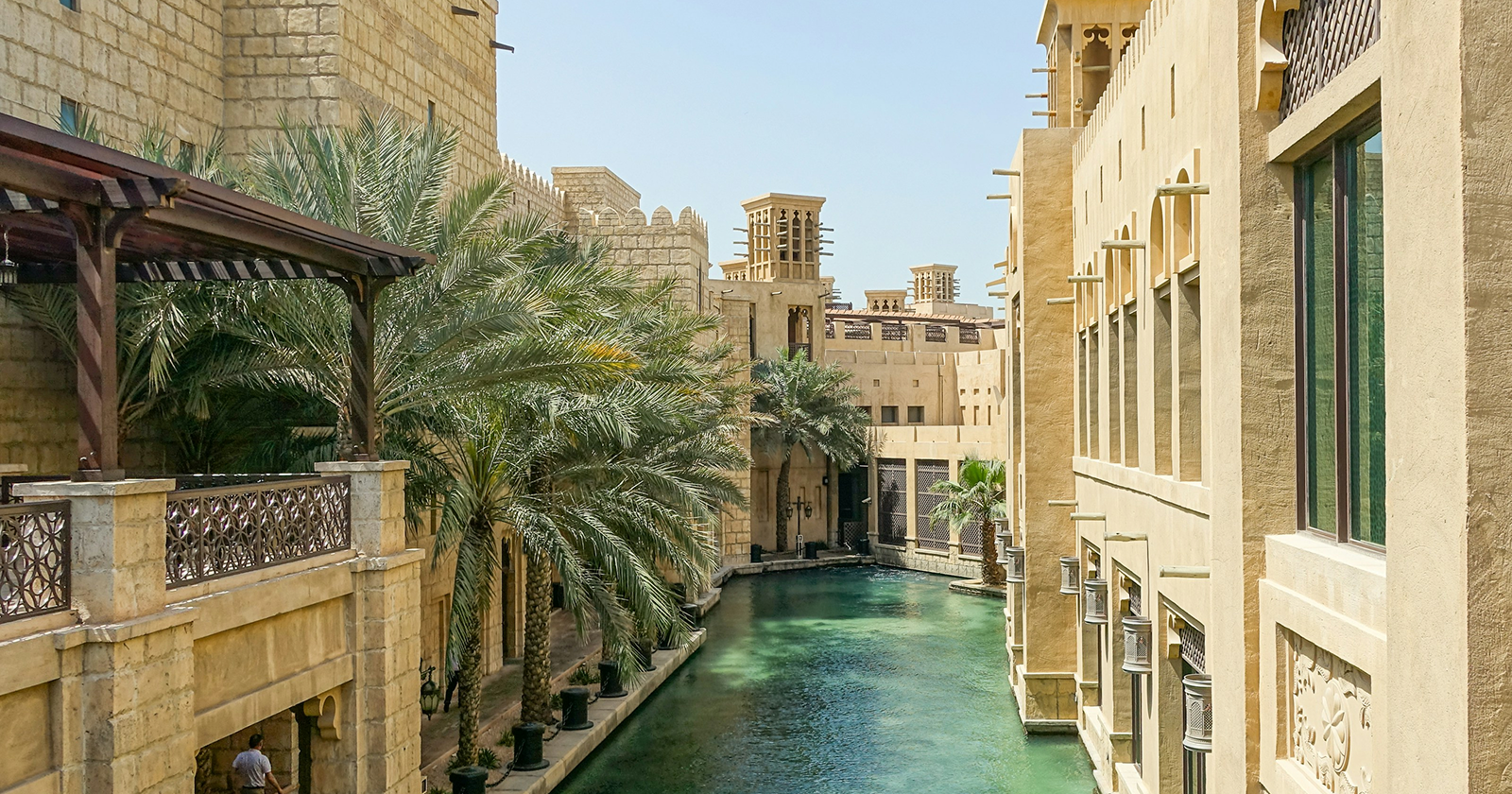 The United Arab Emirates ranks 99th
The UAE ranks 99th overall but 36th for sustainability – a gap of 63 places. The investment in renewable energy, green infrastructure and carbon capture is real and significant. Masdar City, the Dubai Clean Energy Strategy, the hosting of COP28 – the ambition is visible. But the overall GTI rank reflects what sustainability alone can't fix: press freedom, democracy and human rights scores pull it back dramatically.
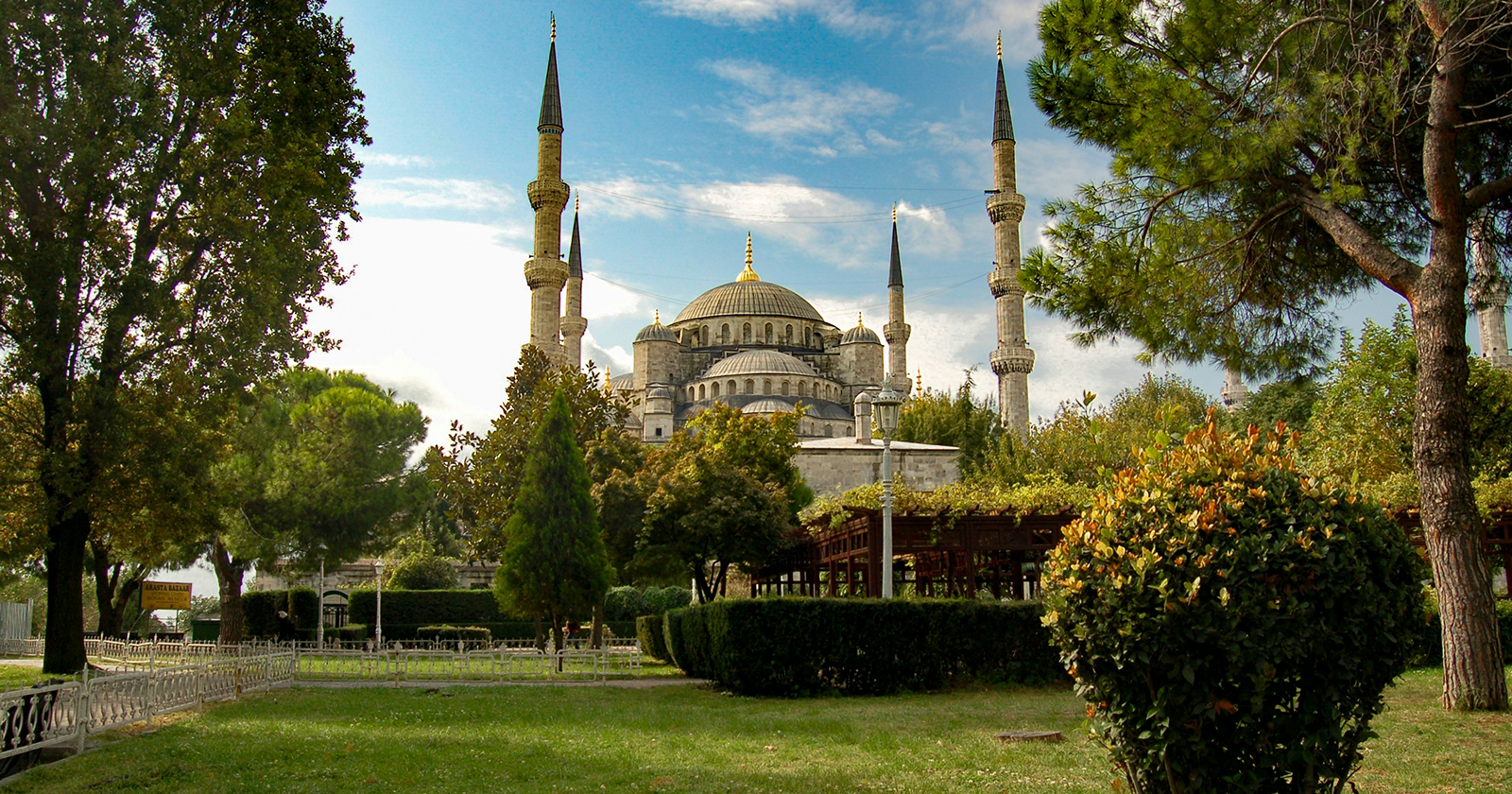 Turkey ranks 133rd
Turkey ranks 133rd overall but 86th for sustainability – a gap of 47 places. Geothermal and wind energy investment has grown rapidly, and Turkey's renewable energy capacity is among the highest in the region. But democracy, press freedom and human rights scores have all declined in recent years, widening the gap between its environmental progress and its broader ethical profile.
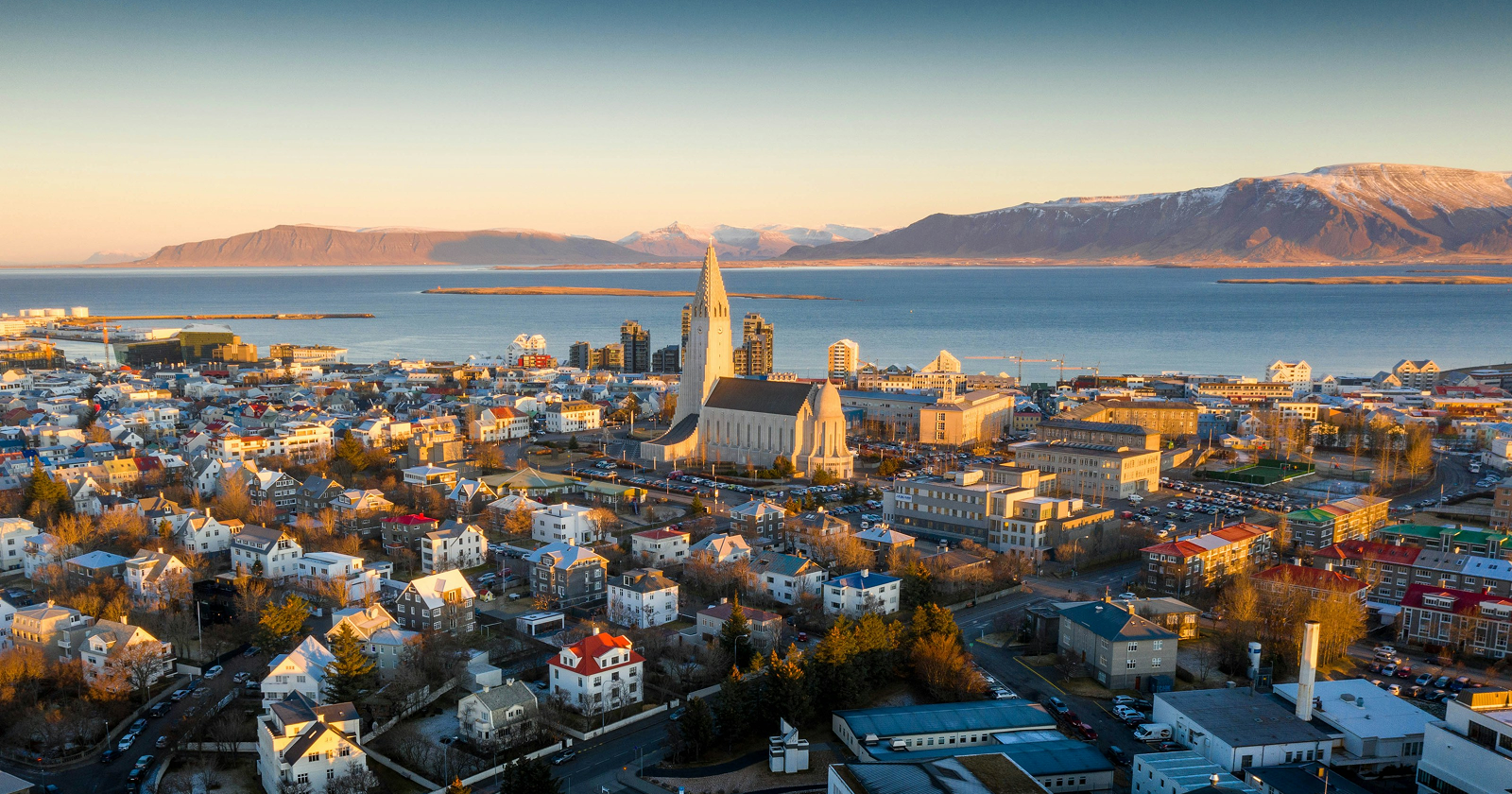 Iceland ranks 8th
Iceland ranks 8th overall but 26th for sustainability – one of the few countries where sustainability is the weaker score. Geothermal energy gives it near-zero carbon electricity, but the sustainability index captures more than energy: fishing industry practices, tourism pressure on fragile ecosystems, and waste management all factor in. For a country that leads on almost everything else, sustainability is the one area where the data says it could do more.
Travel Forward works to make tourism a force for good in the places that need it most. Their programmes focus on community-led tourism, environmental education and sustainable infrastructure in destinations where tourism revenue could drive real change – if it's directed well. Holiday Extras is proud to support their work.
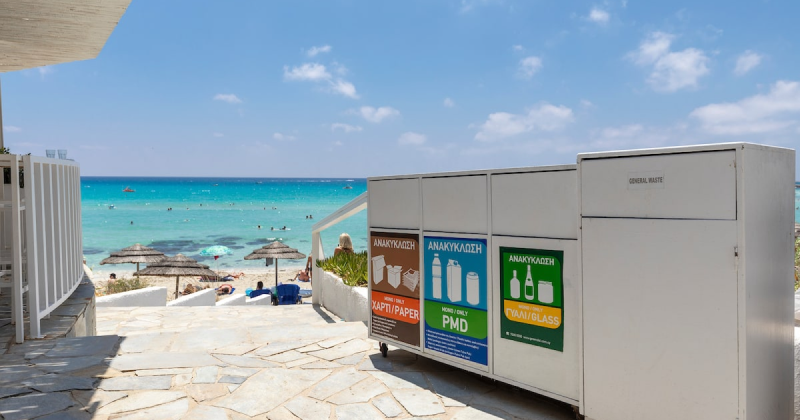
The link between the Good Trip Index and Travel Forward's mission is direct. The countries at the bottom of our sustainability rankings are often exactly where thoughtful, well-directed tourism investment could make the biggest difference. Going where it's good doesn't just mean choosing the greenest destination – it can also mean supporting the organisations working to make every destination greener.
Anyone can look up which countries have the strongest environmental policies – the Yale Environmental Performance Index does exactly that, and we use it as one of our eight measures. What only the Good Trip Index can tell you is where that sustainability sits alongside everything else.
Is the country democratic? Is the press free? Are human rights protected? Is quality of life high? Those questions matter too – and the answers are connected. The countries that invest in sustainability also invest in democracy, press freedom and human rights. The top of this list isn't a coincidence. It's a system.
Countries with strong institutions don't just protect their environments. They protect everything.
For sustainable travellers in 2026, that's the message: go where it's good. Not just good for one thing – good across the board.





The Holiday Extras app gives you instant access to your bookings, updates, and support—anytime, anywhere.

Sign up to our mailing list for more travel advice plus exclusive money-saving offers on your holiday extras!
No need to worry about your data, we take your privacy seriously.

