The Good Trip Compass
Find your next destination based on what you actually stand for. Weight the values that matter to you and we'll surface the places that score highest.
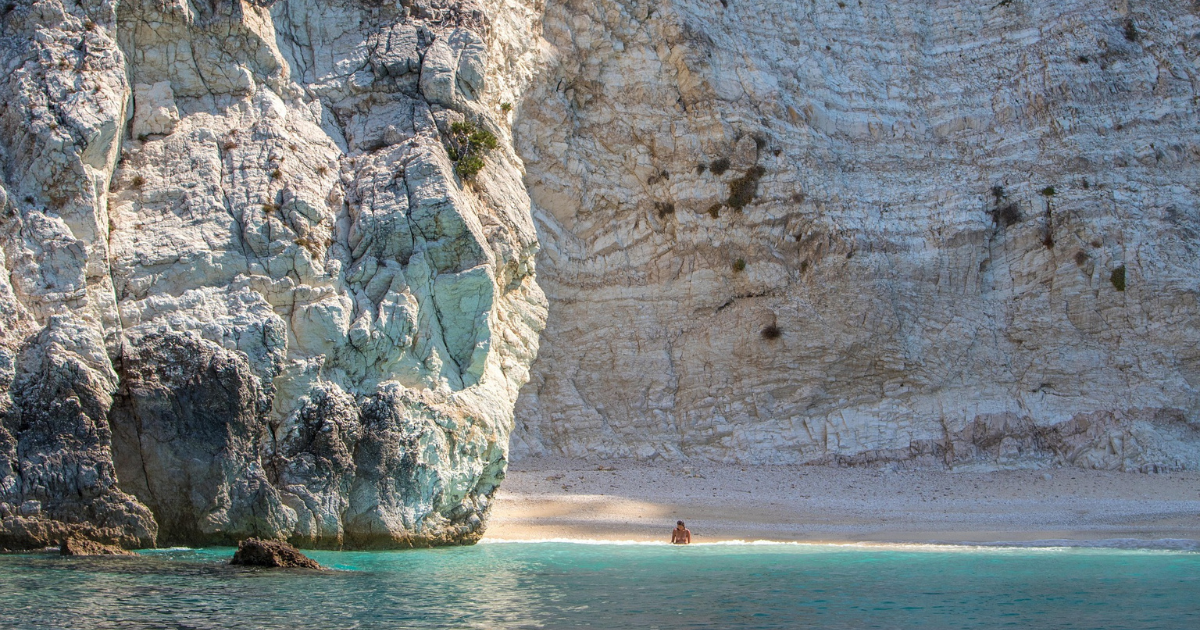
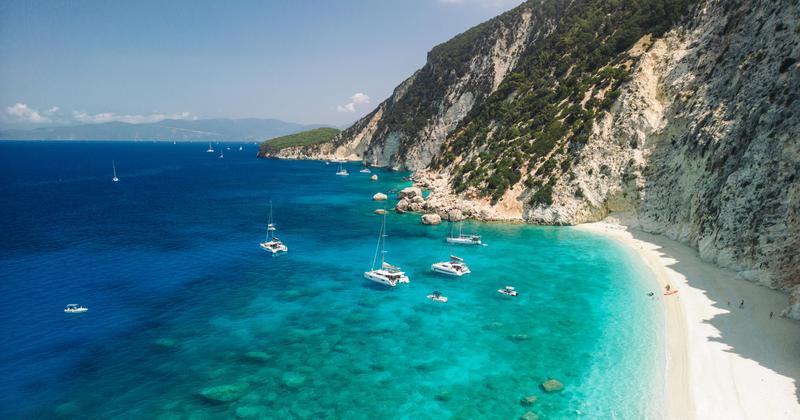
Follow in the footsteps of Odysseus (and a Hollywood legend) by visiting these epic real-world locations from one of history's greatest adventures.
Short on time? Let us summarise this guide for you.
Homer's epic tale of Odysseus has inspired travellers for millennia, and the good news is you can actually walk in his footsteps today. From the Greek island of Ithaca (thought to be Odysseus's legendary home) to the dramatic Sicilian coastline where the Cyclops supposedly lurked, these real-world locations bring the ancient myth to life. We've even thrown in some of Christopher Nolan's Odyssey filming spots for fans of the big-screen adaptation.
Odysseus spends ten years trying to find his way home, sailing through a world filled with monsters, gods and mysterious islands. Nearly 3,000 years later, readers are still debating exactly where many of those places were.
Before anyone ever wrote The Odyssey down, people told and retold the story for centuries. That helps explain why so many real places have become linked with Odysseus’ journey.
Some destinations, like Ithaca, Troy and Pylos, are named by Homer and have long been linked to real places. Others, including the home of the Cyclopes and the waters of Scylla and Charybdis, became connected to the story through later Greek and Roman traditions. Christopher Nolan’s 2026 adaptation adds another layer, filming across Greece, Sicily, Morocco and Iceland to bring the epic to life.
Whether you’re chasing mythology, movie locations or just an excuse to book a Mediterranean getaway, these are the places worth adding to your list.
Although the Trojan War belongs mainly to The Iliad, The Odyssey begins after Troy has fallen (basically, it’s Troy Story 2). Odysseus finally sets sail for home, unaware that the voyage will take a decade.
The ruins at Hisarlik are widely accepted as the site of ancient Troy, although nobody can say for certain whether they match the city Homer had in mind.
For Nolan’s film, the Trojan sequences were filmed in Morocco rather than at the real archaeological site.
Where to visit
Everything in The Odyssey points back to Ithaca. It’s Odysseus’ kingdom, home to his family and the one place he spends the entire story trying to reach.
Today’s island of Ithaki is traditionally identified as Homer’s Ithaca, although some historians think nearby Kefalonia or Lefkada fit the description better. There’s no definitive proof, but if you ask most travellers where Odysseus came from, this is the island they’ll point to.
Nolan filmed his version of Ithaca in Sicily, but for mythology fans, this is still the place to visit.
Where to visit
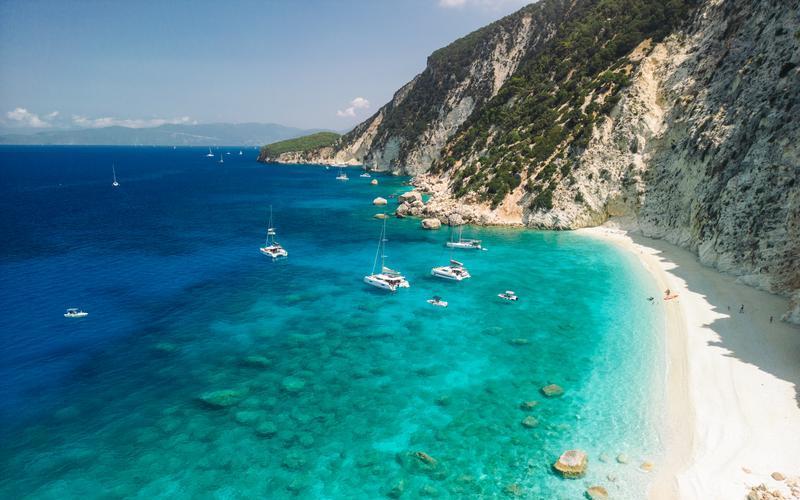
While Odysseus is lost at sea, his son Telemachus refuses to sit around waiting. In Book 3, he travels to Pylos to ask King Nestor if he knows what happened to his father.
The Palace of Nestor is one of the best-preserved Mycenaean palaces in Greece. Archaeologists discovered Linear B tablets here that identify the settlement as ancient Pylos, making it one of the most important Bronze Age sites in the country. Whether Homer based King Nestor’s palace on this exact location is something we’ll probably never know.
The surrounding Messinia region also appears in Nolan’s adaptation, making it a great stop for mythology fans and film buffs alike.
Where to visit
Homer never actually says the Cyclopes lived in Sicily.
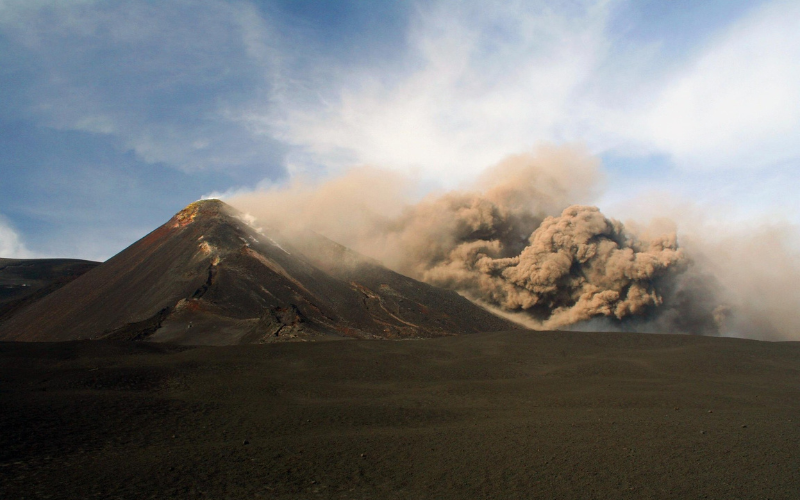
That idea came later, when Greek and Roman writers looked at the smoking slopes of Mount Etna and decided it felt like exactly the sort of place a one-eyed giant would call home. Thankfully, tourists are much less likely to encounter one-eyed giants.
Whether Homer imagined Sicily or not, Europe’s largest active volcano still feels like it belongs in a myth. Towering lava fields, dramatic craters and constant volcanic activity make it one of the most unforgettable landscapes in Europe.
Where to visit
Few moments in The Odyssey are more nerve-racking than sailing between Scylla and Charybdis.
Later Greek and Roman writers identified these mythical dangers with opposite sides of the Strait of Messina, where powerful currents have challenged sailors for centuries. That doesn’t prove Homer had this location in mind, but it’s one of the oldest geographical traditions connected to the story.
Luckily, modern ferry crossings are a lot less stressful than Odysseus’ experience.
Where to visit
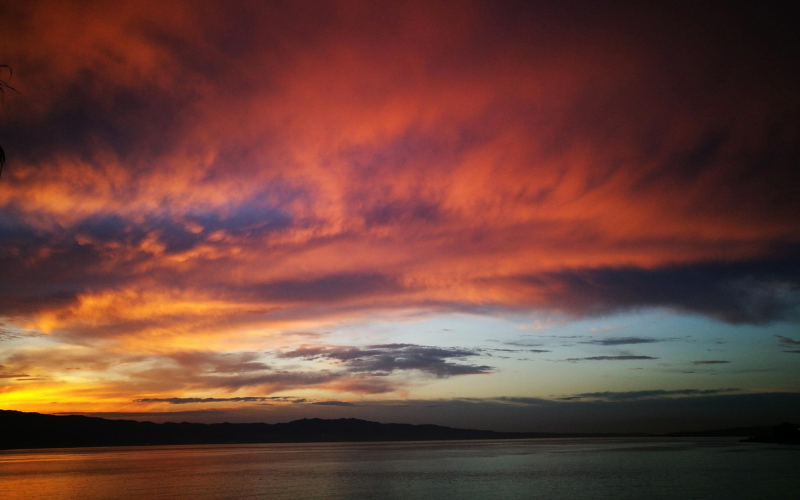
The Cyclops Polyphemus gives Odysseus one of his toughest challenges. Trapped inside a cave, Odysseus blinds the giant before escaping beneath his sheep.
Voidokilia Beach and nearby Nestor’s Cave were both confirmed filming locations for Nolan’s adaptation. While reports link the cave to the Cyclops sequence, the production hasn’t confirmed exactly which scenes were filmed there.
Even without the Hollywood connection, this horseshoe-shaped bay is easily one of Greece’s most beautiful beaches.
Where to visit
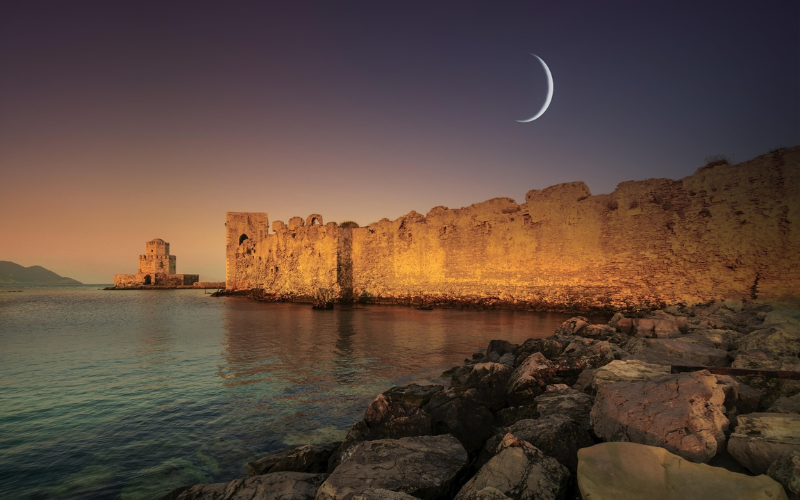
Methoni Castle has guarded Greece’s southwest coast for centuries, passing through Byzantine, Venetian and Ottoman hands along the way.
Nolan’s production officially filmed here, although nobody outside the production knows exactly how the fortress appears in the finished film.
That only adds another reason to explore its huge stone walls, sea views and medieval architecture.
Where to visit
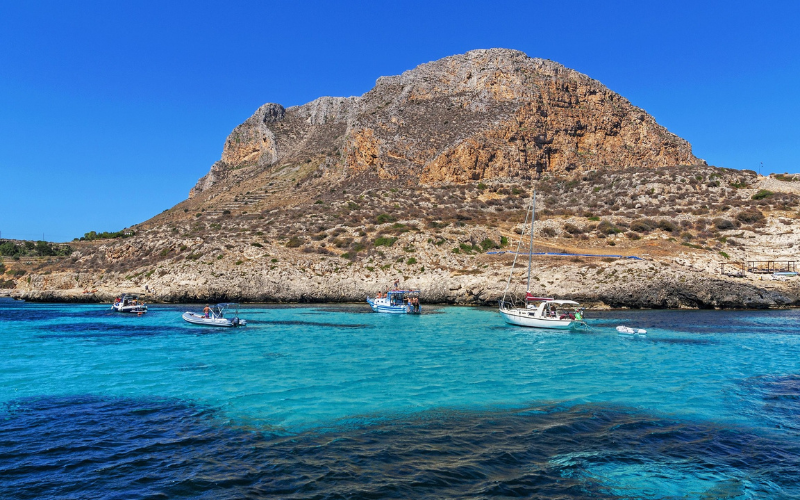
Want to visit Nolan’s version of Ithaca? This is the place.
The production used Castello di Santa Caterina, perched high above Favignana, as its on-screen Ithaca. Cast and crew reportedly tackled the steep climb every day during filming.
Fortunately, your visit can be a little more relaxed. Between the turquoise water, quiet beaches and laid-back atmosphere, it’s easy to see why the island was chosen.
Where to visit
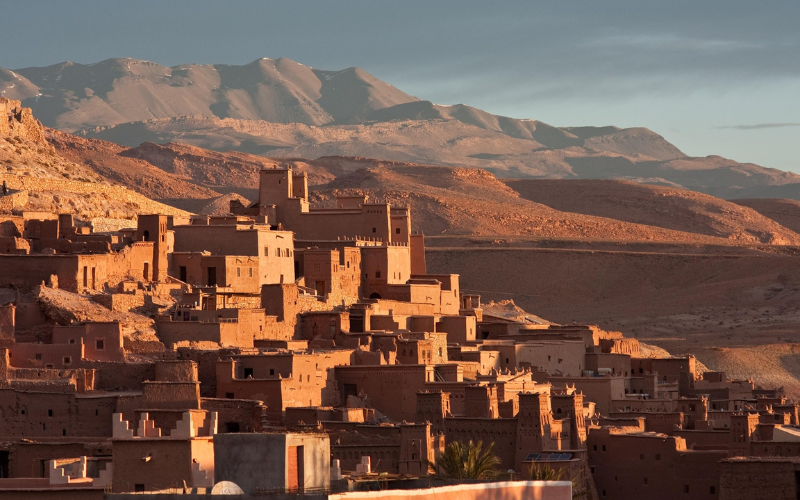
While the real Troy sits in modern-day Turkey, Nolan headed to Morocco to recreate the ancient city for the film.
Aït Benhaddou’s UNESCO-listed mud-brick fortress has appeared in dozens of films and TV shows over the years, so stepping inside already feels a bit like walking onto a film set.
Nearby Ouarzazate is often called the Hollywood of Morocco, making it a natural base for exploring the filming locations.
Where to visit
Of all Nolan’s filming locations, Iceland might be the biggest surprise.
The production filmed across the country’s dramatic south coast, with Hjörleifshöfði widely reported as one of the locations used to represent the underworld, where Odysseus meets the prophet Tiresias. While not every filming location has been officially confirmed scene by scene, Iceland’s connection to the underworld sequences is well established.
Looking across the black sand plains, it’s easy to understand why.
One of the reasons The Odyssey has lasted for nearly 3,000 years is that it never draws a clear line between history and legend. Some places, like Ithaca and Pylos, are rooted in real locations you can visit today. Others became attached to the story through centuries of storytelling. Nolan’s film adds yet another route, turning some of the world’s most dramatic landscapes into Homer’s ancient world.
You don’t have to follow one definitive journey to enjoy it. Stand among the ruins of Troy, hike across Ithaca, explore Sicily’s volcanoes or wander Iceland’s black sand beaches. Every stop offers a different connection to one of the greatest adventure stories ever told.
The best part? Unlike Odysseus, you won’t need ten years to see them all.


The Holiday Extras app gives you instant access to your bookings, updates, and support—anytime, anywhere.

Sign up to our mailing list for more travel advice plus exclusive money-saving offers on your holiday extras!
No need to worry about your data, we take your privacy seriously.

