The Good Trip Index
The Holiday Extras guide to travelling ethically, sustainably and well. This is the Good Trip Index, updated for 2026.
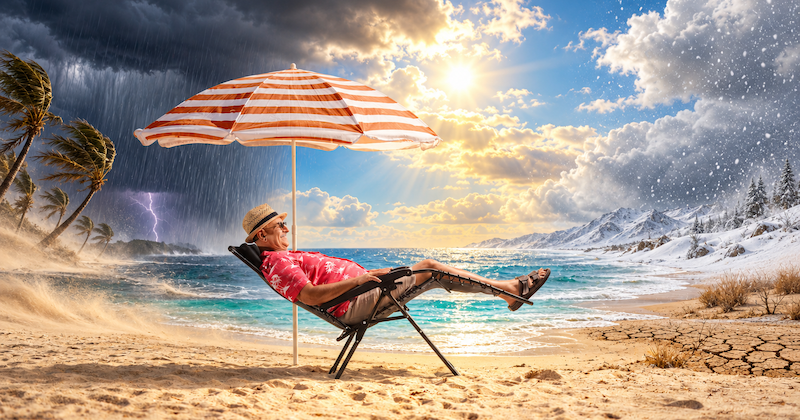
One of the strongest El Niños on record is building. Here's what it could mean for UK holidaymakers this winter and beyond.
Short on time? Let us summarise this guide for you.
El Niño is already here and forecasters say it could be historic by the turn of the year. It won't cancel your holiday, but it could change the weather in some favourite destinations. Southeast Asia and Australia could be hotter and drier, with wildfire and water worries. Peru and Ecuador face flood risk. The Caribbean could enjoy a drier, calmer winter, with fewer hurricanes. Europe sees little direct effect. The sensible move is flexibility: choose refundable fares, allow extra connection time, check your travel insurance and watch official advice before you go.
El Niño is back, and this one is a big one. Forecasters say it could rank among the strongest on record by the end of the year. That sounds like bad news for your holiday plans. For most of us, it isn't.
What it does mean is that the weather could behave differently in some of the places UK holidaymakers love most, from Thai beaches to the Caribbean. Here's what we know, what we don't, and how to plan around it.
El Niño is a natural warming of the Pacific Ocean that nudges weather patterns around the world. US forecasters declared it fully developed in June, and it has been strengthening ever since. NOAA's latest update, on 8 October, put the chance of a historic event in October to December at 83 per cent. The World Meteorological Organization expects El Niño conditions to last through December to February, with the chance at nearly 100 per cent.
One big caveat. Even with an event this strong, NOAA says El Niño impacts are more likely but never guaranteed. Everything below is what typically happens in strong El Niño years, not a forecast for your particular week away.

This is where El Niño matters most for UK travellers heading out this winter.
Drier conditions can mean more sunshine in Bali, Thailand and the Philippines. They can also bring wildfires, haze and poorer air quality. The 2015 to 2016 El Niño contributed to devastating fires in Indonesia and one of Thailand's worst droughts in decades. Water shortages can also hit resorts that rely on reservoirs, so it's worth asking your hotel how it's coping.

Parts of the country may be hotter and drier than usual, which matters for bushfire risk over the southern summer (our winter). Keep an eye on local fire warnings if you're heading to the bush or the outback.
Coastal Ecuador and northern Peru are at risk of heavy rain and flooding. During the 1997 to 1998 El Niño, Peru's normally arid north coast saw roads washed out and bridges destroyed. If you're booking a trip here, be mindful of possible disruptions.
While it's inappropriate to talk about any upside from a weather event that may bring disaster to some parts of the world, it is worth knowing that El Niño tends to bring drier conditions across parts of the Caribbean and Central America. That could make the weather herr in January to April 2027 more temperate than usual. It also usually suppresses Atlantic hurricanes, and NOAA gives the 2026 season a 55 per cent chance of below average activity, though the risk doesn't vanish. That season ends on 30 November, so the real benefit is for winter and spring trips.
Good weather isn't always good safari conditions. Shifts in rainfall can change wildlife viewing and road access across southern and eastern Africa, so ask your operator how seasonal forecasts affect your route.
Europe sits a long way from the tropical Pacific, so El Niño's influence here is expected to be weaker and less predictable. Heat and wildfire risk around the Mediterranean owe more to long-term anthropogenic climate change than to El Niño. And if you're planning a ski trip, forecasters say it's too early to turn the El Niño signal into precise predictions for Alpine snowfall.
This is the least certain part. El Niño usually fades through spring and early summer, so its direct influence on summer 2027 holidays should weaken. Some travel operators think it could even boost the appeal of northern Europe in high summer, but that's speculation for now. We'll only really know as 2027 unfolds.
Where El Niño does cause disruption, it tends to come from flooding, drought, heat and wildfires. The answer is flexibility, not cancelling.
For most Brits, El Niño is a reason to choose destinations and dates carefully, not to cancel. The Caribbean looks set for a good winter. Southeast Asia and Australia need heat and wildfire awareness. Western South America needs flood vigilance. NOAA's next update is due on 12 November, so it's worth checking before you book anything long haul.
Sources: NOAA Climate Prediction Center ENSO diagnostic discussions (August to October 2026), World Meteorological Organization and travel industry reporting. The impacts described are typical of strong El Niño years, not forecasts for individual destinations.


The Holiday Extras app gives you instant access to your bookings, updates, and support—anytime, anywhere.

Sign up to our mailing list for more travel advice plus exclusive money-saving offers on your holiday extras!
No need to worry about your data, we take your privacy seriously.

